EARTH & SPACE / PROGRAM ATLAS

THE ZENIT PROGRAM / RESEARCH INDEX

Research
Archive.

Every thread has a place.
Find what is done. See what comes next.

An illustrated guide to the research already on this website, with direct routes back to every original page.

Explore the archive
ZENIT concept illustration of an open research notebook overlooking a spiral galaxy
EARTH & SPACEIdeas, evidence and the next question.
371Research entries
269 Done · listed outputs
102 Undone · research work
132Original pages linked

Read the status with its scope. Done means the listed study, explanation, model or film is available. Undone marks further development, missing evidence or verification. A published concept can have both.

About this archive

Compiled from the public website and its published project records. The original pages stay in their existing locations. Private records, visitor messages and the owner dashboard are outside this archive. Concept images illustrate the themes.

Reviewed 20 November 2026. These counts describe archive entries, not a percentage of hardware readiness. Status badges are drawn from the records and are not visitor-editable.

EIGHT WAYS INTO THE RESEARCH

Choose a chapter.

From an Earth workshop
to the next space hypothesis.

THE COMPLETE INDEX

Follow your curiosity.

REVIEWED 20 NOVEMBER 2026

371 entries across 8 chapters

RESEARCH CHAPTER

Energy & cycles

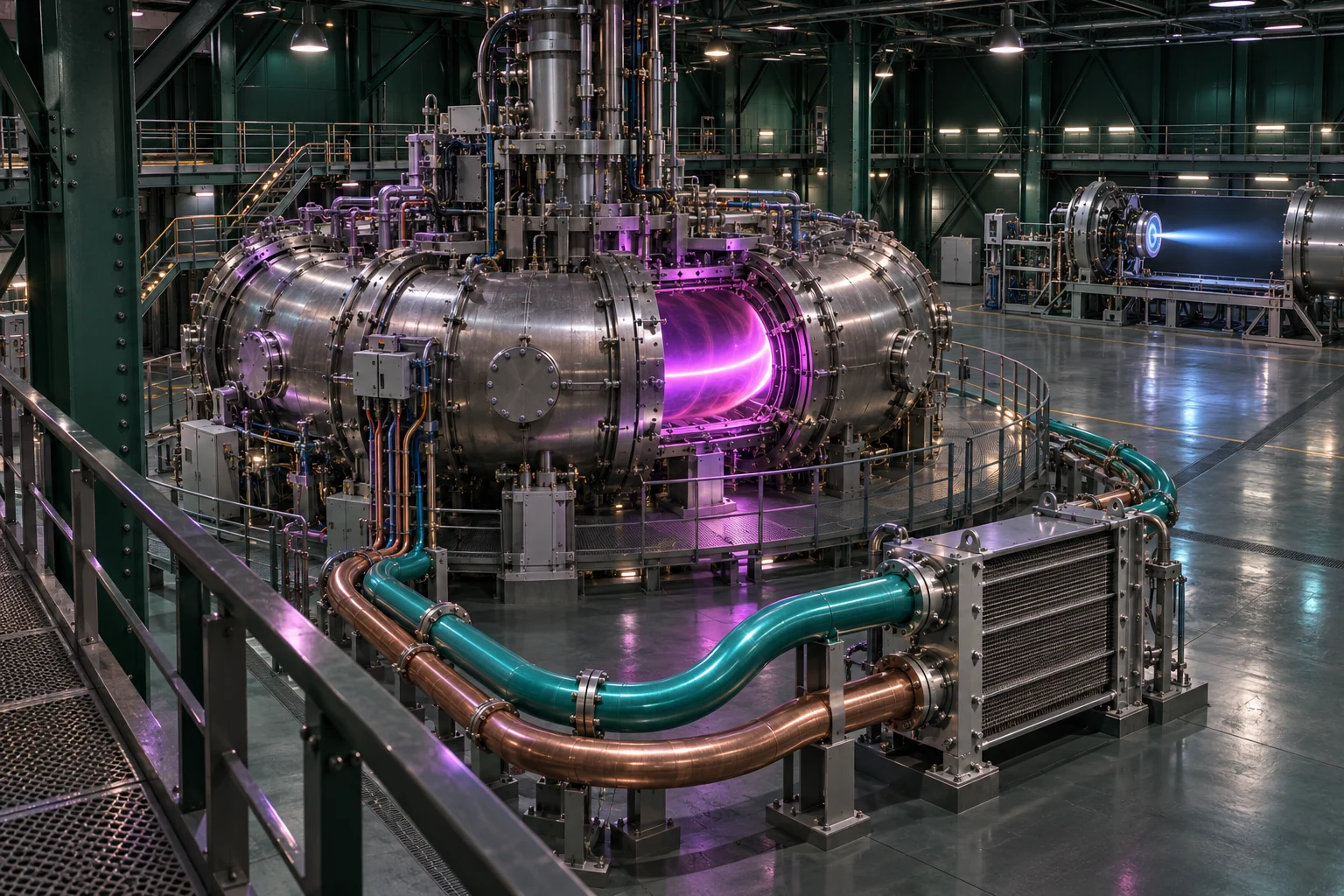
Fusion, hydrogen, heat and the processes that connect them.
51 entries31 Done · 20 Undone

Concept illustration from the ZENIT collection. Status applies to each listed output or research task.

Unexplored research proposal Undone

A neighbourhood that remembers heat

What if useful heat had a visible story: where it came from, when it was stored and who could use it next?

Earth
Why this status?

A new proposed direction. Its first study has not been carried out. Heat sharing and storage are the proposed subject. No new source of energy or measured ZENIT saving is claimed.

Source stage: New proposal for exploration

Read the source
#
System research Undone

Central Bidirectional Fuse

Coordinates the protected A and B source lanes.

Space
Why this status?

The source records a framework, concept or requirement. Installed implementation and independent validation are not recorded as complete.

Source stage: Concept

Read the source
#
Open qualification gate Undone

Dual-source strategy

Approve primary and alternative critical sources.

Earth
Why this status?

The source-controlled gate remains open until its required evidence and acceptance decision are recorded.

Source stage: G2 · Not assessed

Read the source
#
System research Undone

Fusion A / B · Major-vessel reference

The major-vessel twin-source reference has separate protected energy lanes.

Space
Why this status?

The source records a framework, concept or requirement. Installed implementation and independent validation are not recorded as complete.

Source stage: Concept

Read the source
#
Research development Undone

Fusion Power Facility

A single stellarator-derived plasma fusion core with separate energy and safety islands.

Earth
Why this status?

Further development and evidence remain open at the recorded stage. The published brief remains available at its original address.

Source stage: Planning baseline

Read the source
#
Open qualification gate Undone

Integrated fuel-cycle demonstration

Approve staged evidence from components to integrated tests.

Earth
Why this status?

The source-controlled gate remains open until its required evidence and acceptance decision are recorded.

Source stage: G8 · Not assessed

Read the source
#
Open qualification gate Undone

Licensed tritium test access

Select a primary route and fallback.

Earth
Why this status?

The source-controlled gate remains open until its required evidence and acceptance decision are recorded.

Source stage: G6 · Not assessed

Read the source
#
System research Undone

Local Fuse A / B

Isolates and conditions the output of each source.

Space
Why this status?

The source records a framework, concept or requirement. Installed implementation and independent validation are not recorded as complete.

Source stage: Concept

Read the source
#
Open qualification gate Undone

Magnet conductor & architecture

Choose HTS, LTS or a hybrid reference route.

Earth
Why this status?

The source-controlled gate remains open until its required evidence and acceptance decision are recorded.

Source stage: G1 · Not assessed

Read the source
#
Open qualification gate Undone

Magnet tests & slots

Select facilities and reserve the required test sequence.

Earth
Why this status?

The source-controlled gate remains open until its required evidence and acceptance decision are recorded.

Source stage: G3 · Not assessed

Read the source
#
Open qualification gate Undone

Neutron & materials qualification

Approve irradiation and post-irradiation examination plan.

Earth
Why this status?

The source-controlled gate remains open until its required evidence and acceptance decision are recorded.

Source stage: G9 · Not assessed

Read the source
#
Open qualification gate Undone

Norwegian industrial capability

Decide which critical capabilities to establish in Norway.

Earth
Why this status?

The source-controlled gate remains open until its required evidence and acceptance decision are recorded.

Source stage: G10 · Not assessed

Read the source
#
Open qualification gate Undone

Norwegian tritium licensing basis

Resolve classification and required permissions with DSA / ZSA.

Earth
Why this status?

The source-controlled gate remains open until its required evidence and acceptance decision are recorded.

Source stage: G5 · Not assessed

Read the source
#
Open engineering check Undone

Qualify cold storage and sample acceptance

The CORAC procedure holds onward transfer when acceptance evidence is incomplete and routes a known seal failure or temperature excursion to quarantine. Trell’s recovered design includes science and cargo space.

Space
Why this status?

Trell’s refrigeration capacity, permitted duration and specimen-specific limits are open. The tabletop cases use condition labels and assume no numerical limits.

Source stage: Qi Fleet research · QI-FLEET-TRELL-R2

Read the source
#
Open qualification gate Undone

Quench detection & protection

Approve detection, energy extraction and fault-insertion concept.

Earth
Why this status?

The source-controlled gate remains open until its required evidence and acceptance decision are recorded.

Source stage: G4 · Not assessed

Read the source
#
System research Undone

SERAT

Routes protected energy, manages heat and coordinates recovery.

Shared
Why this status?

The source records a framework, concept or requirement. Installed implementation and independent validation are not recorded as complete.

Source stage: Framework

Read the source
#
Research development Undone

SERAT Energy Island

A separate plant energy and thermal network for distribution, recovery and useful work.

Earth
Why this status?

Further development and evidence remain open at the recorded stage. The published brief remains available at its original address.

Source stage: Planning baseline

Read the source
#
Open qualification gate Undone

Tritium accountancy & analysis

Approve the measurement and material-balance chain.

Earth
Why this status?

The source-controlled gate remains open until its required evidence and acceptance decision are recorded.

Source stage: G7 · Not assessed

Read the source
#
Research development Undone

Vessel Power & Propulsion

Major-vessel protected source lanes and class-specific compact sources feed separately protected loads.

Space
Why this status?

Further development and evidence remain open at the recorded stage. The published brief remains available at its original address.

Source stage: Concept

Read the source
#
Unverified hypothesis Undone

Where the recovered energy goes

The GENI slides suggest recovering 50–80% of thermal energy and propose that it could sustain continuous operation. Trell’s earlier target of up to 40% belongs to a separate design. Both percentages need a defined input, output and measurement interval.

Space
Why this status?

In Trell’s one-second reference circuit, each route delivered 0.3230 J, while the inductive route drew 0.6461 J more from the source. That comparison measures an electrical cost in one model. A sustained operating balance requires a full duty cycle and metered losses.

Read the source
#
Published research page Done

Chain Reactions

Follow fusion in ZENIT and the Sun, along with chemical chains in hydrogen combustion, polymerisation, oil oxidation and ozone chemistry.

Shared
Why this status?

The listed page is published. Done describes this documentation output, with further research tracked separately.

Read the source
#
Published learning resource Done

Chemical Cycles

Follow electrolysis, hydrogen combustion, fuel cells, rechargeable batteries, cabin air and water recovery, and photosynthesis in the ZENIT Earth and Space concepts.

Shared
Why this status?

The explanation or learning resource is published. Any research concept keeps its stated evidence limits.

Read the source
#
Interactive cycle explanation Done

Closed-loop cooling and heat rejection

The Qi fleet, Earth facilities and CORAC use isolated coolant branches and the same checks for heat load, remaining capacity and backup power. The final heat sink depends on the operating environment.

Shared
Why this status?

The explanatory cycle and reference model are published. This status covers the explanation, not a physical operating result.

Read the source
#
Published walkthrough Done

Closed-loop cooling and heat rejection

The Qi fleet, Earth facilities and CORAC use isolated coolant branches and the same checks for heat load, remaining capacity and backup power. The final heat sink depends on the operating environment.

Shared
Why this status?

The explanatory walkthrough is published. Its scenarios do not establish operational readiness.

Read the source
#
Reference simulation Done

Compare wired feed and shield pickup at equal load

In the one-second 460 Hz Trell reference, each route delivered 0.3230 J to the same load. The wired feed drew 37.0315 J from the supply. Shield pickup drew 37.6776 J, an extra 0.6461 J.

Space
Why this status?

These are simulated joules for one reference circuit. Fleet power ratings, recovered heat and cold-storage endurance need separate vessel measurements.

Source stage: Qi Fleet research · QI-FLEET-TRELL-R2

Read the source
#
Interactive cycle explanation Done

CORAC plasma fuel and heat

The lunar plant meters fuel, recovers verified unburned material and sends conditioned electricity to SERAT.

Space
Why this status?

The explanatory cycle and reference model are published. This status covers the explanation, not a physical operating result.

Read the source
#
Published walkthrough Done

CORAC plasma fuel and heat

The lunar plant meters fuel, recovers verified unburned material and sends conditioned electricity to SERAT.

Space
Why this status?

The explanatory walkthrough is published. Its scenarios do not establish operational readiness.

Read the source
#
Published learning resource Done

Cycles Overview

Explore ZENIT’s Primary, General, Chemical and Physical Cycles, including fusion feedback and chain reactions in combustion, materials, food and the atmosphere.

Shared
Why this status?

The explanation or learning resource is published. Any research concept keeps its stated evidence limits.

Read the source
#
Interactive cycle explanation Done

Earth fusion to electricity and heat

A single stellarator-derived core transfers heat through a controlled interface to the separate SERAT Energy Island.

Earth
Why this status?

The explanatory cycle and reference model are published. This status covers the explanation, not a physical operating result.

Read the source
#
Published walkthrough Done

Earth fusion to electricity and heat

A single stellarator-derived core transfers heat through a controlled interface to the separate SERAT Energy Island.

Earth
Why this status?

The explanatory walkthrough is published. Its scenarios do not establish operational readiness.

Read the source
#
Model Atlas study Done

Fusion Facility

Look inside the stellarator-derived plasma core and trace heat and power to the separate SERAT Energy Island.

Earth
Why this status?

The visual model and its original page are published. Done applies to the illustration and interface; physical construction and qualification retain their own status.

Read the source
#
Published learning resource Done

General Cycles

Explore interactive 3D models of the ZENIT Program’s Earth, Space and shared cycles, from heat recovery and water shielding to telemetry integrity and CORAC research.

Shared
Why this status?

The explanation or learning resource is published. Any research concept keeps its stated evidence limits.

Read the source
#
Published research page Done

How SERAT responds to cooling loss

An illustrated ZENIT article on how SERAT responds when the dedicated ZC-1 electronics cooling loop loses flow.

Shared
Why this status?

The listed page is published. Done describes this documentation output, with further research tracked separately.

Read the source
#
Published walkthrough Done

NEXUS stale reading and fleet link loss

Compare what local and fleet operators can see when a cooling-flow sample expires or reporting drops out.

Space
Why this status?

The explanatory walkthrough is published. Its scenarios do not establish operational readiness.

Read the source
#
Published learning resource Done

Physical Cycles

Explore 15 processes across ZENIT’s Earth and Space concepts, from hydrogen combustion and Qi Fleet propulsion to sustained fusion power, refrigeration, fluid flow and structural response.

Shared
Why this status?

The explanation or learning resource is published. Any research concept keeps its stated evidence limits.

Read the source
#
Published research page Done

Plasma Fusion Cores

See how ZENIT’s plasma fusion core models operate. Follow magnetic confinement, cooling, protected energy delivery to SERAT and local shutdown across Earth and Space designs.

Shared
Why this status?

The listed page is published. Done describes this documentation output, with further research tracked separately.

Read the source
#
Published learning resource Done

Primary Cycles

Follow the KETS Cycle on Zorak from pre-cooling through a three-minute propulsion pulse to bypass and cooldown. Explore Qi Fleet propulsion, hydrogen combustion and fusion power.

Shared
Why this status?

The explanation or learning resource is published. Any research concept keeps its stated evidence limits.

Read the source
#
Interactive cycle explanation Done

Qi Fleet cabin air cycle

Follow the air the crew breathes through an Anorak-based cutaway. Trace the return ducts, see how the ship removes carbon dioxide and adds oxygen, then isolate a compromised zone.

Space
Why this status?

The explanatory cycle and reference model are published. This status covers the explanation, not a physical operating result.

Read the source
#
Published walkthrough Done

Qi Fleet cabin air cycle

Follow the air the crew breathes through an Anorak-based cutaway. Trace the return ducts, see how the ship removes carbon dioxide and adds oxygen, then isolate a compromised zone.

Space
Why this status?

The explanatory walkthrough is published. Its scenarios do not establish operational readiness.

Read the source
#
Study result Done

Radiator area and heat rejection

The deck assigns about 1,000 m² of effective radiator area and a liquid-metal loop near 900 K. If the entire emitting face also reaches 900 K, a perfect emitter with a clear view of cold space would radiate about 37.2 MW of heat.

Space
Why this status?

The 37.2 MW figure is a conditional upper bound for this geometry. Thyro’s installed cooling capacity, electrical output and burst endurance have yet to be established.

Read the source
#
Software reference and service test plan Done

Recovered heat as a useful service

Compare heat services using the heat actually delivered at the customer’s required temperature and all supporting electrical inputs.

Earth
Why this status?

Meter a common service interval at the source, converter, customer and store. Record supply/return temperatures, demand, auxiliaries and rejected heat. Compare equal useful service and equal starting/ending storage. GENI’s 50–80% and Trell’s up-to-40% figures remain separate unverified targets.

Source stage: Connected research · ZENIT-CONNECTED-RESEARCH-R1; physical qualification remains open

Read the source
#
Interactive cycle explanation Done

SERAT heat recovery and delivery

The Heat-Service Module matches available source heat to a specific customer temperature and demand.

Earth
Why this status?

The explanatory cycle and reference model are published. This status covers the explanation, not a physical operating result.

Read the source
#
Published walkthrough Done

SERAT heat recovery and delivery

The Heat-Service Module matches available source heat to a specific customer temperature and demand.

Earth
Why this status?

The explanatory walkthrough is published. Its scenarios do not establish operational readiness.

Read the source
#
Interactive cycle explanation Done

The ZENIT Earth Cycle

Energy supplies homes, industry, water services, SafeSpots and mobility. Useful heat and measured feedback return to the system.

Earth
Why this status?

The explanatory cycle and reference model are published. This status covers the explanation, not a physical operating result.

Read the source
#
Interactive cycle explanation Done

ZC-1 cooling and heat recovery

SERAT coordinates separate cooling loops for the hydrogen combustion engine and essential electronics.

Earth
Why this status?

The explanatory cycle and reference model are published. This status covers the explanation, not a physical operating result.

Read the source
#
Published walkthrough Done

ZC-1 cooling and heat recovery

SERAT coordinates separate cooling loops for the hydrogen combustion engine and essential electronics.

Earth
Why this status?

The explanatory walkthrough is published. Its scenarios do not establish operational readiness.

Read the source
#
Model Atlas study Done

ZENIT Earth Cycle

Follow useful energy, community services, heat recovery and measured feedback around a floating Earth.

Earth
Why this status?

The visual model and its original page are published. Done applies to the illustration and interface; physical construction and qualification retain their own status.

Read the source
#
Interactive cycle explanation Done

Zorak fusion fuel and refuelling

How could Zorak’s twin reactors power a long voyage? A proposed fuel loop recovers what the plasma did not use. Onboard stock replaces what fused or could not be reused.

Space
Why this status?

The explanatory cycle and reference model are published. This status covers the explanation, not a physical operating result.

Read the source
#
Published walkthrough Done

Zorak fusion fuel and refuelling

How could Zorak’s twin reactors power a long voyage? A proposed fuel loop recovers what the plasma did not use. Onboard stock replaces what fused or could not be reused.

Space
Why this status?

The explanatory walkthrough is published. Its scenarios do not establish operational readiness.

Read the source
#
RESEARCH CHAPTER

Systems & safety

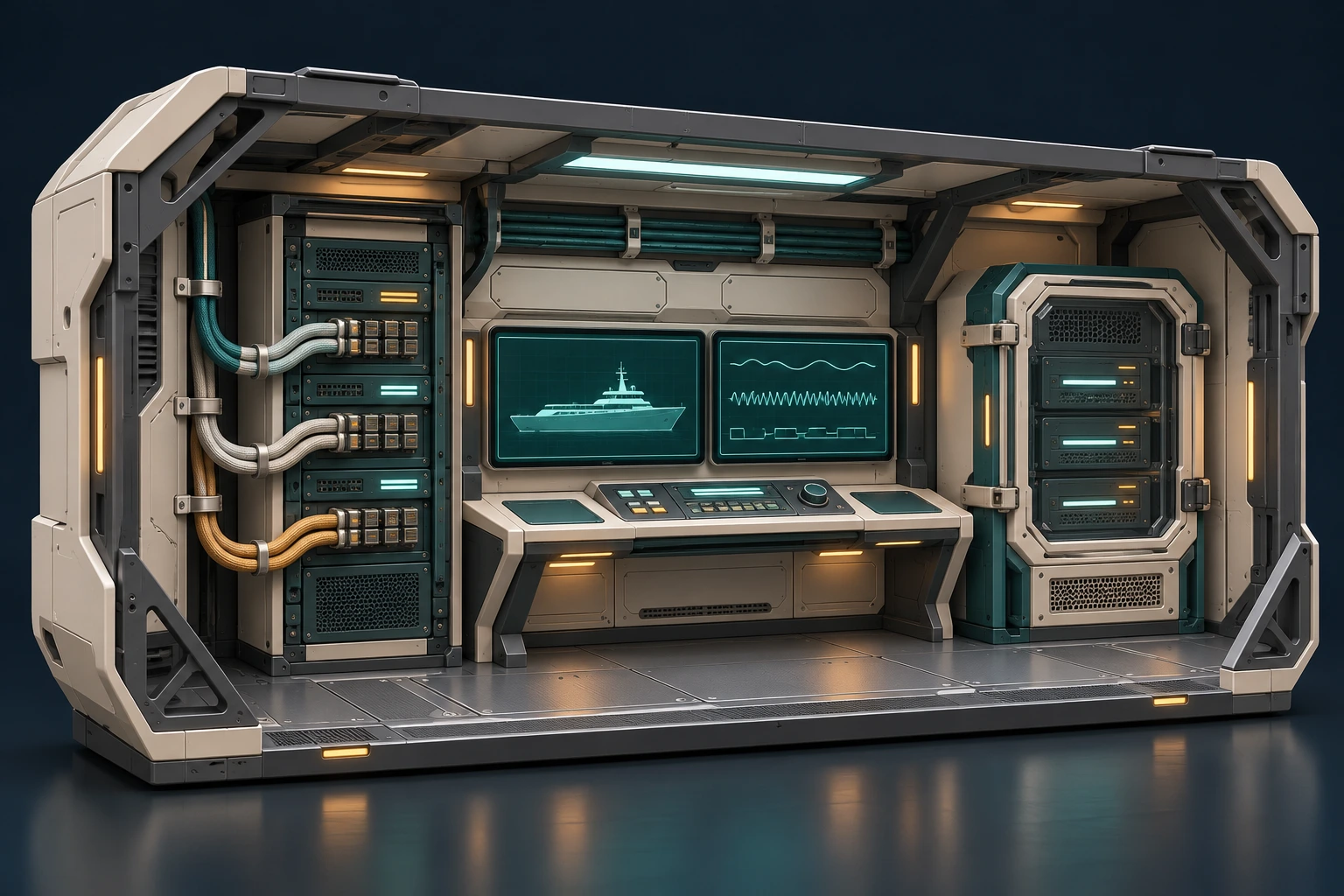
SERAT, GENI, AXIOM, NEXUS, LSI and dependable observations.
52 entries28 Done · 24 Undone

Concept illustration from the ZENIT collection. Status applies to each listed output or research task.

Evidence limit Undone

A common reference and a new message

The telemetry deck proposes a common frequency basin ω* and encoding a message by varying ω(t), B(t) and E(t). Two endpoints can compare their own readings with a stored reference. For Fronak to learn a later choice, it needs a received signal or a local observation caused by that choice.

Space
Why this status?

Distance-independent delivery through a shared field remains a ZENIT hypothesis without a demonstrated channel. A blinded choice made after synchronization, with ordinary signal paths controlled and timestamps preserved, would distinguish a new message from a predictable schedule.

Read the source
#
System research Undone

AGCM

Checks geometry, route legitimacy and coordinate history.

Space
Why this status?

The source records a framework, concept or requirement. Installed implementation and independent validation are not recorded as complete.

Source stage: Concept

Read the source
#
Proposed bench acceptance plan Undone

An equilibrium candidate with independent witnesses

Connect the frequency-sweep candidate to CMC witness quality and a measured response to disturbance.

Shared
Why this status?

Define R, its units, the controlled variable and a bounded laboratory disturbance. Predeclare a settling band, observation interval, repeatability rule and independent witness checks appropriate to that apparatus. Compare minima, maxima and plateaus, then assess restoring behavior. No numerical hardware thresholds are assigned here.

Source stage: Connected research · ZENIT-CONNECTED-RESEARCH-R1; physical qualification remains open

Read the source
#
System research Undone

AXIOM

Enforces the permitted envelope and independent physical veto through phase-specific protective action.

Shared
Why this status?

The source records a framework, concept or requirement. Installed implementation and independent validation are not recorded as complete.

Source stage: Framework

Read the source
#
System research Undone

Central Magnetic Core

Supplies the vessel magnetic reference, synchronization and compensation.

Space
Why this status?

The source records a framework, concept or requirement. Installed implementation and independent validation are not recorded as complete.

Source stage: Concept

Read the source
#
Research development Undone

CMC & Vessel Reference

A separate reference and synchronization system near the vessel centre of mass.

Space
Why this status?

Further development and evidence remain open at the recorded stage. The published brief remains available at its original address.

Source stage: Concept

Read the source
#
System research Undone

GENI

Coordinates scoped field requests, propulsion interaction and available resources under local protection.

Shared
Why this status?

The source records a framework, concept or requirement. Installed implementation and independent validation are not recorded as complete.

Source stage: Concept

Read the source
#
System research Undone

Gravity Control Chambers

A speculative internal acceleration-frame management concept.

Space
Why this status?

The source records a framework, concept or requirement. Installed implementation and independent validation are not recorded as complete.

Source stage: Speculative concept

Read the source
#
System research Undone

Independent Local Protection

Initiates protective action without waiting for a supervisory network.

Earth
Why this status?

The source records a framework, concept or requirement. Installed implementation and independent validation are not recorded as complete.

Source stage: Qualification requirement

Read the source
#
System research Undone

Independent Reactor Safe Island

Provides a local reactor path to terminate, dump energy, cool and isolate.

Space
Why this status?

The source records a framework, concept or requirement. Installed implementation and independent validation are not recorded as complete.

Source stage: Concept

Read the source
#
System research Undone

Infrared sensing · ZIR-R1

Adds thermal imaging, diagnostics, navigation support and scientific observation.

Shared
Why this status?

The source records a framework, concept or requirement. Installed implementation and independent validation are not recorded as complete.

Source stage: Integrated concept

Read the source
#
Research development Undone

Integrated Infrared Systems

Thermal monitoring and inspection across Earth vehicles, plants and facilities.

Earth
Why this status?

Further development and evidence remain open at the recorded stage. The published brief remains available at its original address.

Source stage: Integrated concept

Read the source
#
System research Undone

LSI

Explains facility state and environmental consequences in human-readable form.

Earth
Why this status?

The source records a framework, concept or requirement. Installed implementation and independent validation are not recorded as complete.

Source stage: Framework

Read the source
#
Research development Undone

LSI · Infrastructure Intelligence

A human-readable view of facilities, environmental consequences and system state.

Earth
Why this status?

Further development and evidence remain open at the recorded stage. The published brief remains available at its original address.

Source stage: Framework

Read the source
#
Unexplored research proposal Undone

Materials with a life story

Could a research panel carry a readable autobiography of observations, repairs and unanswered questions?

Shared
Why this status?

A new proposed direction. Its first study has not been carried out. The proposed result is a research record and interpretation study. No material-life extension or new structural rating is claimed.

Source stage: New proposal for exploration

Read the source
#
Unverified hypothesis Undone

Measure protection for each hazard

GENI uses hazard-specific evidence such as particle flux, residual dose or hull heat flux. The earlier deck proposed Sᵢ = (ΔP)² A n E, with units of Pa²/m for its stated variables.

Space
Why this status?

The score has no calibrated relationship to protection. CORAC’s published example found 0.24% more protons at one detector in its steady-field simulation. A single detector cannot establish a crew dose.

Read the source
#
Research development Undone

Navigation & AGCM

Route verification, docking geometry and coordinated motion planning.

Space
Why this status?

Further development and evidence remain open at the recorded stage. The published brief remains available at its original address.

Source stage: Concept

Read the source
#
System research Undone

NEXUS

Turns telemetry and models into diagnosis, prediction and coordination.

Shared
Why this status?

The source records a framework, concept or requirement. Installed implementation and independent validation are not recorded as complete.

Source stage: Framework

Read the source
#
Research development Undone

Outverse & Aurora Shield

Five layers and five hull sectors are coordinated through distributed sensors, local coil control, CMC reference and protected SERAT resources.

Space
Why this status?

Further development and evidence remain open at the recorded stage. The published brief remains available at its original address.

Source stage: Restored design canon · Concept

Read the source
#
Research development Undone

Space Infrared Integration

Thermal inspection, docking awareness, plume diagnosis and scientific observation.

Space
Why this status?

Further development and evidence remain open at the recorded stage. The published brief remains available at its original address.

Source stage: Integrated concept

Read the source
#
System research Undone

Telemetrics

Checks the origin, freshness and reliability of readings before they inform operating decisions.

Shared
Why this status?

The source records a framework, concept or requirement. Installed implementation and independent validation are not recorded as complete.

Source stage: Integrated concept

Read the source
#
System research Undone

Vector Accelerator

Uses conditioned and authorized power in the conceptual propulsion chain.

Space
Why this status?

The source records a framework, concept or requirement. Installed implementation and independent validation are not recorded as complete.

Source stage: Speculative concept

Read the source
#
Evidence limit Undone

What qualifies as an equilibrium lock?

Thyro’s proposed frequency sweep looks for a flat response, written dR/dω ≈ 0. A minimum, a maximum and a plateau can all give this reading.

Space
Why this status?

The slides supply a candidate lock rule. A measured restoring response and independent confirmation are still needed before it can support an operating decision.

Read the source
#
System research Undone

ZENIT Safety Authority

Owns independent acceptance, hazard closure and configuration control.

Shared
Why this status?

The source records a framework, concept or requirement. Installed implementation and independent validation are not recorded as complete.

Source stage: Governance

Read the source
#
Study result Done

A local force density

For a single charged species, the magnetic force per unit volume is f = n q (v × B), in N/m³. Its magnitude depends on the angle between velocity and field. The deck’s scalar expression n |q| v B gives the magnitude at 90°.

Space
Why this status?

These velocities and field strengths are inputs from the deck. The expression establishes units and direction. It supplies no measured vessel thrust or protection rating.

Read the source
#
Requirement Done

Capture, crossing and receipt

In the adopted operating concept, each crew checks independent local capture evidence before release. It then checks the seal, temperature history and receiving conditions. Crews record the observed crossing and match the receiver’s receipt to the canister ID, transfer ID and receiver.

Space
Why this status?

The six existing custody replays use synthetic events. They exercise the recordkeeping rule. Physical collar compatibility, the inward transfer path, pressure integrity, retention and cold-storage endurance still need qualification for this pair.

Read the source
#
Interactive cycle explanation Done

CMC reference and GENI coordination

The Central Magnetic Core provides reference and timing. Independent witnesses check the reference before it is used for coordination.

Shared
Why this status?

The explanatory cycle and reference model are published. This status covers the explanation, not a physical operating result.

Read the source
#
Published walkthrough Done

CMC reference and GENI coordination

The Central Magnetic Core provides reference and timing. Independent witnesses check the reference before it is used for coordination.

Space
Why this status?

The explanatory walkthrough is published. Its scenarios do not establish operational readiness.

Read the source
#
Synthetic replay Done

Confirm the services the transfer needs

When shared coolant is unavailable, the sealed transfer proceeds on sufficient local reserves. The same reading holds a mission that requires shared coolant.

Space
Why this status?

The ZS shuttle sheet identifies separate connections. Service states and store readiness are supplied evidence in this exercise. Coupler fit, ratings, isolation, seal integrity and endurance require tests for each pair.

Source stage: Qi Fleet research · QI-FLEET-TRELL-R2

Read the source
#
Interactive cycle explanation Done

Earth Research Facility Telemetry

Follow readings across the proposed Earth Research Facility. The cutaway opens the NEXUS and LSI suite and traces links to the SafeSpot services, observation mast and independent safety island.

Earth
Why this status?

The explanatory cycle and reference model are published. This status covers the explanation, not a physical operating result.

Read the source
#
Interactive cycle explanation Done

Earth Telemetry Operations Station

Step inside the Earth Research Facility’s NEXUS and LSI suite. The cutaway follows SafeSpot and campus readings from the intake racks to the operator desks, the event recorder and regional reporting.

Earth
Why this status?

The explanatory cycle and reference model are published. This status covers the explanation, not a physical operating result.

Read the source
#
Published walkthrough Done

GENI fore-sector request

Compare a fresh fore-sector observation with cooling limits or an expired input in the offline allocator.

Space
Why this status?

The explanatory walkthrough is published. Its scenarios do not establish operational readiness.

Read the source
#
Published research page Done

Hierarchy

Explore ZENIT program authority, personal ID security, access ranks, security levels, and manual access during power loss across Earth and Space.

Shared
Why this status?

The listed page is published. Done describes this documentation output, with further research tracked separately.

Read the source
#
Software reference and network test plan Done

Local records through a communications outage

Keep local observations and unresolved decisions available while a supervisory link is unavailable.

Shared
Why this status?

Exercise delayed, duplicated, expired and reordered messages on an ordinary test network for SafeSpots, Norak and CORAC. Record choice, send, receive and local decision times with clock uncertainty. Define expiry by message purpose and retain local holds. A shared stored frequency supplies no evidence of a later remote choice.

Source stage: Connected research · ZENIT-CONNECTED-RESEARCH-R1; physical qualification remains open

Read the source
#
Interactive cycle explanation Done

NEXUS evidence and review

The evidence checker traces each engineering claim to its source version, evidence maturity and measured or modeled inputs.

Shared
Why this status?

The explanatory cycle and reference model are published. This status covers the explanation, not a physical operating result.

Read the source
#
Published walkthrough Done

NEXUS evidence and review

The evidence checker traces each engineering claim to its source version, evidence maturity and measured or modeled inputs.

Shared
Why this status?

The explanatory walkthrough is published. Its scenarios do not establish operational readiness.

Read the source
#
Published research page Done

Operations

Browse ZENIT Earth and Space procedures, models and replays.

Shared
Why this status?

The listed page is published. Done describes this documentation output, with further research tracked separately.

Read the source
#
Interactive cycle explanation Done

Personal ID, access and power loss

ZENIT checks identity, current duty assignment and the safety state before releasing a restricted operation.

Shared
Why this status?

The explanatory cycle and reference model are published. This status covers the explanation, not a physical operating result.

Read the source
#
Published walkthrough Done

Personal ID, access and power loss

ZENIT checks identity, current duty assignment and the safety state before releasing a restricted operation.

Shared
Why this status?

The explanatory walkthrough is published. Its scenarios do not establish operational readiness.

Read the source
#
Synthetic replay Done

Reconcile a lost receipt after a canister crosses

The new fleet handover replay records independent docking confirmation, the canister’s observed location and the receiver’s custody receipt as separate events. A missing receipt after crossing puts the transfer into reconciliation.

Space
Why this status?

The replay uses invented event records and a simulated receiver. Trell-to-Fronak inward transfer, receiving equipment and handling limits still need an interface study.

Source stage: Qi Fleet research · QI-FLEET-TRELL-R2

Read the source
#
Synthetic replay Done

Require independent evidence of capture

In the reviewed case, a gate level of 0.96 and a closing speed of 0.04 m/s produced a capture request. With confirmation missing, the state stayed GATE OPEN inside the authorized window.

Space
Why this status?

The replay injected the confirmation signal. Its sensor, latency and installation on a visiting vessel or host still require tests.

Source stage: Qi Fleet research · QI-FLEET-TRELL-R2

Read the source
#
Published walkthrough Done

Restore regional telemetry after link loss

Follow readings across the proposed Earth Research Facility. The cutaway opens the NEXUS and LSI suite and traces links to the SafeSpot services, observation mast and independent safety island.

Earth
Why this status?

The explanatory walkthrough is published. Its scenarios do not establish operational readiness.

Read the source
#
Published walkthrough Done

SERAT feeder outage and restoration

Compare a ready reserve with an unavailable reserve after the primary feed drops.

Shared
Why this status?

The explanatory walkthrough is published. Its scenarios do not establish operational readiness.

Read the source
#
Published research page Done

Telemetrics

See how ZENIT could use fibre, radio and satellites for worldwide telemetry. Explore reading verification, link outages and the Earth and Qi Fleet telemetry models.

Shared
Why this status?

The listed page is published. Done describes this documentation output, with further research tracked separately.

Read the source
#
Interactive cycle explanation Done

Telemetry integrity cycle · QFTU-7

Explore the Qi Fleet Telemetry Unit cutaway. Follow a reading from the vessel’s sensors through the ZTIA checks, then see how it reaches operators, the event recorder and local safety systems.

Shared
Why this status?

The explanatory cycle and reference model are published. This status covers the explanation, not a physical operating result.

Read the source
#
Synthetic replay Done

Trace the lab result back to collection

A lab entry that names another canister remains unlinked. Fronak keeps the accepted custody record and the one observed crossing.

Space
Why this status?

The Fronak sensor centre and laboratory drawings motivate this extension. The replay uses invented identifiers. Operational adoption needs interoperable collection, receipt and lab-record formats, calibrated instruments and a retained audit trail.

Source stage: Qi Fleet research · QI-FLEET-TRELL-R2

Read the source
#
Published walkthrough Done

Verify a stale SafeSpot reading

Step inside the Earth Research Facility’s NEXUS and LSI suite. The cutaway follows SafeSpot and campus readings from the intake racks to the operator desks, the event recorder and regional reporting.

Earth
Why this status?

The explanatory walkthrough is published. Its scenarios do not establish operational readiness.

Read the source
#
Published walkthrough Done

Verify telemetry and preserve event timing

Explore the Qi Fleet Telemetry Unit cutaway. Follow a reading from the vessel’s sensors through the ZTIA checks, then see how it reaches operators, the event recorder and local safety systems.

Shared
Why this status?

The explanatory walkthrough is published. Its scenarios do not establish operational readiness.

Read the source
#
Published research page Done

Vitality Functions

Explore ZENIT’s essential systems, including SERAT, GENI, CMC, AXIOM, NEXUS, AGCM navigation, PATRIOT and Living Systems Intelligence.

Shared
Why this status?

The listed page is published. Done describes this documentation output, with further research tracked separately.

Read the source
#
Published walkthrough Done

Zorak telemetry and backup reporting

Explore the Qi Vanguard flagship’s proposed Telemetry Coordination Chamber (TCC). The deck cutaway shows the crew consoles, independent bus feeds, communications and protected recorder next to a mission operations passage.

Space
Why this status?

The explanatory walkthrough is published. Its scenarios do not establish operational readiness.

Read the source
#
Interactive cycle explanation Done

Zorak · Telemetry Coordination Chamber

Explore the Qi Vanguard flagship’s proposed Telemetry Coordination Chamber (TCC). The deck cutaway shows the crew consoles, independent bus feeds, communications and protected recorder next to a mission operations passage.

Space
Why this status?

The explanatory cycle and reference model are published. This status covers the explanation, not a physical operating result.

Read the source
#
RESEARCH CHAPTER

Earth mobility

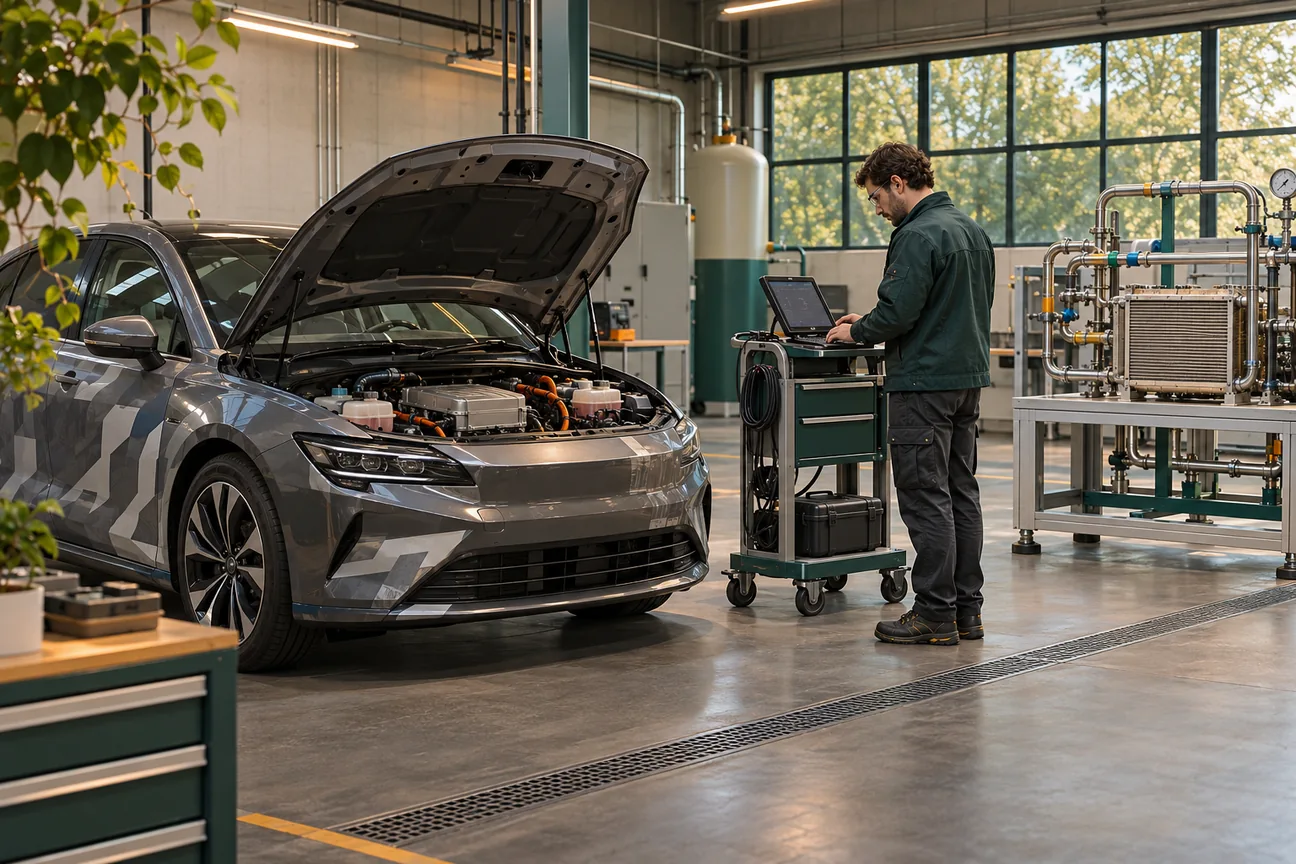
Road vehicles, aircraft, boats and their published design studies.
33 entries25 Done · 8 Undone

Concept illustration from the ZENIT collection. Status applies to each listed output or research task.

Unexplored research proposal Undone

The coastal commons

What if a whole coastal community could understand its shared resources through one clear picture?

Earth
Why this status?

A new proposed direction. Its first study has not been carried out. The coastal setting is illustrative. No real town, installed network or emergency-service capacity is claimed.

Source stage: New proposal for exploration

Read the source
#
Research development Undone

ZA-1 · Hydrogen Jet

A passenger aircraft concept with distributed anti-ice and isolated thermal loops.

Earth
Why this status?

Further development and evidence remain open at the recorded stage. The published brief remains available at its original address.

Source stage: Concept

Read the source
#
Research development Undone

ZA-P01 · Propeller Aircraft

Hydrogen combustion in the nacelle drives a turbine, gearbox and propeller.

Earth
Why this status?

Further development and evidence remain open at the recorded stage. The published brief remains available at its original address.

Source stage: Concept

Read the source
#
Research development Undone

ZB-1 · Sports Boat

A compact hydrogen boat with a defined dimensional and passenger target.

Earth
Why this status?

Further development and evidence remain open at the recorded stage. The published brief remains available at its original address.

Source stage: Concept

Read the source
#
Research development Undone

ZC-1 · Hydrogen Car

A hydrogen combustion vehicle with controlled pressure and vapour handling.

Earth
Why this status?

Further development and evidence remain open at the recorded stage. The published brief remains available at its original address.

Source stage: Concept

Read the source
#
Research development Undone

ZCS-1 · Hydrogen Cruise Ship

A recovered cruise-ship concept with direct mechanical propeller propulsion and a new auxiliary pump-jet manoeuvring proposal.

Earth
Why this status?

Further development and evidence remain open at the recorded stage. The published brief remains available at its original address.

Source stage: Concept

Read the source
#
Research development Undone

ZH-1 · Hydrogen Helicopter

A helicopter concept organized around independent safety and reserve power paths.

Earth
Why this status?

Further development and evidence remain open at the recorded stage. The published brief remains available at its original address.

Source stage: Concept

Read the source
#
Research development Undone

ZP-1 · Passenger Boat

Hydrogen passenger transport with an onboard safety architecture.

Earth
Why this status?

Further development and evidence remain open at the recorded stage. The published brief remains available at its original address.

Source stage: Concept

Read the source
#
Published walkthrough Done

ZA-1 anti-ice heat routing

ZA-1 recovers exhaust heat inside the nacelles. Isolated secondary loops warm independently controlled inlet, wing and tail zones.

Earth
Why this status?

The explanatory walkthrough is published. Its scenarios do not establish operational readiness.

Read the source
#
Interactive cycle explanation Done

ZA-1 Exhaust heat and anti-ice

ZA-1 recovers exhaust heat inside the nacelles. Isolated secondary loops warm independently controlled inlet, wing and tail zones.

Earth
Why this status?

The explanatory cycle and reference model are published. This status covers the explanation, not a physical operating result.

Read the source
#
Model Atlas study Done

ZA-1 hydrogen aircraft

Explore the passenger jet concept, onboard systems and distributed thermal interfaces.

Earth
Why this status?

The visual model and its original page are published. Done applies to the illustration and interface; physical construction and qualification retain their own status.

Read the source
#
Published walkthrough Done

ZA-1 jet propulsion

Trace hydrogen combustion from the air inlet to the rearward propulsive flow that produces thrust.

Earth
Why this status?

The explanatory walkthrough is published. Its scenarios do not establish operational readiness.

Read the source
#
Model Atlas study Done

ZA-P01 propeller aircraft

Trace the nacelle turbine, reduction gearbox and propeller in the hydrogen-aircraft layout study.

Earth
Why this status?

The visual model and its original page are published. Done applies to the illustration and interface; physical construction and qualification retain their own status.

Read the source
#
Interactive cycle explanation Done

ZA-P01 Turbine and propeller drive

Hydrogen combustion drives a nacelle turbine. A reduction gearbox and shaft carry mechanical power to the propeller.

Earth
Why this status?

The explanatory cycle and reference model are published. This status covers the explanation, not a physical operating result.

Read the source
#
Published walkthrough Done

ZA-P01 Turbine and propeller drive

Hydrogen combustion drives a nacelle turbine. A reduction gearbox and shaft carry mechanical power to the propeller.

Earth
Why this status?

The explanatory walkthrough is published. Its scenarios do not establish operational readiness.

Read the source
#
Model Atlas study Done

ZB-1 sports boat

Explore the sports-boat hull, sheltered helm, hydrogen space and illustrative stern-drive arrangement.

Earth
Why this status?

The visual model and its original page are published. Done applies to the illustration and interface; physical construction and qualification retain their own status.

Read the source
#
Interactive cycle explanation Done

ZB-1 Sports boat fuel and drive

ZB-1 places protected hydrogen equipment and the machinery in separate spaces, leading to an illustrative stern drive.

Earth
Why this status?

The explanatory cycle and reference model are published. This status covers the explanation, not a physical operating result.

Read the source
#
Published walkthrough Done

ZB-1 Sports boat fuel and drive

ZB-1 places protected hydrogen equipment and the machinery in separate spaces, leading to an illustrative stern drive.

Earth
Why this status?

The explanatory walkthrough is published. Its scenarios do not establish operational readiness.

Read the source
#
Published walkthrough Done

ZC-1 electronics cooling loss

Compare SERAT’s response to reduced coolant flow and a stopped pump.

Earth
Why this status?

The explanatory walkthrough is published. Its scenarios do not establish operational readiness.

Read the source
#
Published walkthrough Done

ZC-1 fuel-pressure fault

Follow a parked-engine regulator fault from the shutoff request to independently verified isolation.

Earth
Why this status?

The explanatory walkthrough is published. Its scenarios do not establish operational readiness.

Read the source
#
Model Atlas study Done

ZC-1 hydrogen car

Explore the road vehicle concept and its hydrogen, combustion and protection systems.

Earth
Why this status?

The visual model and its original page are published. Done applies to the illustration and interface; physical construction and qualification retain their own status.

Read the source
#
Interactive cycle explanation Done

ZC-1 Hydrogen drivetrain

ZC-1 supplies its hydrogen combustion engine from monitored storage and sends mechanical power to the wheels.

Earth
Why this status?

The explanatory cycle and reference model are published. This status covers the explanation, not a physical operating result.

Read the source
#
Published walkthrough Done

ZC-1 Hydrogen drivetrain

ZC-1 supplies its hydrogen combustion engine from monitored storage and sends mechanical power to the wheels.

Earth
Why this status?

The explanatory walkthrough is published. Its scenarios do not establish operational readiness.

Read the source
#
Interactive cycle explanation Done

ZCS-1 Cruise ship propeller drive

Twin mechanical shaft lines drive the cruise ship’s controllable-pitch propellers. Separate auxiliary pump-jets support harbour manoeuvring.

Earth
Why this status?

The explanatory cycle and reference model are published. This status covers the explanation, not a physical operating result.

Read the source
#
Published walkthrough Done

ZCS-1 Cruise ship propeller drive

Twin mechanical shaft lines drive the cruise ship’s controllable-pitch propellers. Separate auxiliary pump-jets support harbour manoeuvring.

Earth
Why this status?

The explanatory walkthrough is published. Its scenarios do not establish operational readiness.

Read the source
#
Model Atlas study Done

ZCS-1 hydrogen cruise ship

Explore the recovered cruise ship, twin mechanical propellers and a new auxiliary pump-jet docking proposal.

Earth
Why this status?

The visual model and its original page are published. Done applies to the illustration and interface; physical construction and qualification retain their own status.

Read the source
#
Published research page Done

ZENIT Earth Program · study hub

Explore ZENIT Earth: project facts, design specifications, system architecture and the program reference.

Earth
Why this status?

The listed page is published. Done describes this documentation output, with further research tracked separately.

Read the source
#
Model Atlas study Done

ZH-1 hydrogen helicopter

Orbit the eight-blade rotorcraft and reveal its primary drive, reserve shaft and separated hydrogen systems.

Earth
Why this status?

The visual model and its original page are published. Done applies to the illustration and interface; physical construction and qualification retain their own status.

Read the source
#
Interactive cycle explanation Done

ZH-1 Turboshaft and rotor drive

The primary hydrogen turboshaft sends mechanical power through the ZMG-1D gearbox to the main rotor and Fenestron.

Earth
Why this status?

The explanatory cycle and reference model are published. This status covers the explanation, not a physical operating result.

Read the source
#
Published walkthrough Done

ZH-1 Turboshaft and rotor drive

The primary hydrogen turboshaft sends mechanical power through the ZMG-1D gearbox to the main rotor and Fenestron.

Earth
Why this status?

The explanatory walkthrough is published. Its scenarios do not establish operational readiness.

Read the source
#
Model Atlas study Done

ZP-1 passenger boat

A closer look at the hydrogen passenger boat and its onboard protection architecture.

Earth
Why this status?

The visual model and its original page are published. Done applies to the illustration and interface; physical construction and qualification retain their own status.

Read the source
#
Interactive cycle explanation Done

ZP-1 Passenger boat waterjets

ZP-1 uses hydrogen combustion and mechanical drive to power waterjets in its two hulls.

Earth
Why this status?

The explanatory cycle and reference model are published. This status covers the explanation, not a physical operating result.

Read the source
#
Published walkthrough Done

ZP-1 Passenger boat waterjets

ZP-1 uses hydrogen combustion and mechanical drive to power waterjets in its two hulls.

Earth
Why this status?

The explanatory walkthrough is published. Its scenarios do not establish operational readiness.

Read the source
#
RESEARCH CHAPTER

Facilities & life support

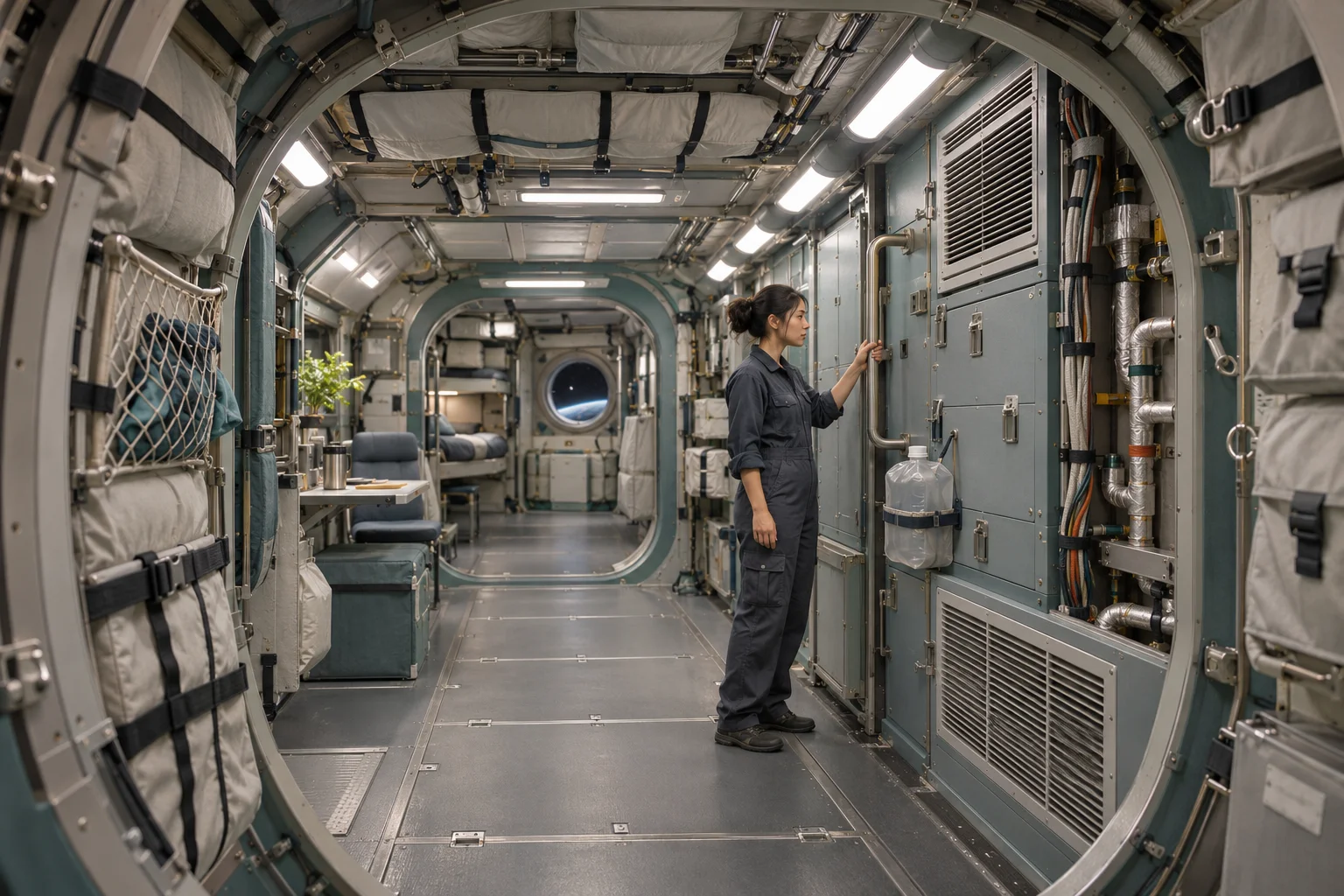
Research campuses, SafeSpots, crew services and equipment.
27 entries13 Done · 14 Undone

Concept illustration from the ZENIT collection. Status applies to each listed output or research task.

Unexplored research proposal Undone

A habitat that can explain itself

What if a habitat could explain how its air, water and maintenance needs are changing?

Shared
Why this status?

A new proposed direction. Its first study has not been carried out. This is a proposed observation and explanation study. It supplies no autonomous safety authority or demonstrated habitat capability.

Source stage: New proposal for exploration

Read the source
#
Unexplored research proposal Undone

A home before a home

What could a future research settlement teach us while it is still a place we can only walk through digitally?

Space
Why this status?

A new proposed direction. Its first study has not been carried out. This is a proposal for learning from a virtual environment. It establishes no construction-ready settlement or physical survival capability.

Source stage: New proposal for exploration

Read the source
#
Equipment development Undone

AirWatch

A portable air-quality station proposal for recording particle measurements and how they change with time and local conditions.

Earth
Why this status?

Development proposal. Sensor calibration, weather effects and data completeness must be evaluated; this is not a certified safety alarm or regulatory monitor.

Read the source
#
Equipment development Undone

Atlas Series EVA Suit

The Atlas concept brings together a HUD visor, communications, a life-support pack, tool interfaces and magnetic boot anchors.

Space
Why this status?

Refined concept illustration preserving the original design. Suit ratings and operational capability require engineering validation.

Read the source
#
Research development Undone

Earth Medical & Hospital Research

A conceptual hospital framework connected to the wider ZENIT medical program.

Earth
Why this status?

Further development and evidence remain open at the recorded stage. The published brief remains available at its original address.

Source stage: Research scope

Read the source
#
Equipment development Undone

EarthScout

A handheld inspection concept combining thermal images, local temperature and humidity readings in a clear LSI-style view.

Earth
Why this status?

Development proposal. Measurement accuracy, usability and the value of the combined interface need prototype testing.

Read the source
#
Proposed exposure assessment plan Undone

Field studies, hull water and occupied spaces

Assess exposure at the storm refuge, a representative cabin and a connecting corridor under declared water coverage and field conditions.

Space
Why this status?

Define the incident particle spectrum, geometry, material areal density, exposure interval and calibrated detector response. Include relevant secondary particles and uncertainty. Compare matched calculations and then qualified measurements at occupied locations. CORAC’s single-detector proton-count example and the uncalibrated GENI score establish no crew-dose reduction.

Source stage: Connected research · ZENIT-CONNECTED-RESEARCH-R1; physical qualification remains open

Read the source
#
Unexplored research proposal Undone

Gardens between worlds

Could one small garden become a meeting place for biology, resource accounting and daily life?

Shared
Why this status?

A new proposed direction. Its first study has not been carried out. The garden is a new research proposal. It is not counted as an established oxygen source or a replacement for life-support equipment.

Source stage: New proposal for exploration

Read the source
#
Research development Undone

Norak-class Earth landing base

R3 concept clearances and loads alongside the original R4 platform and replay.

Earth
Why this status?

Further development and evidence remain open at the recorded stage. The published brief remains available at its original address.

Source stage: R3 fit study · R4 reference model

Read the source
#
Equipment development Undone

SafeSpot Pack

A portable essential-services kit proposal combining reserve electricity, lighting, communications and a readable equipment-status interface.

Earth
Why this status?

Development proposal. Load limits and endurance are not rated. The model does not establish emergency-service qualification or replace an approved emergency plan.

Read the source
#
Research development Undone

SafeSpots & Resilient Facilities

Three Earth infrastructure concepts for supporting essential services during outages.

Earth
Why this status?

Further development and evidence remain open at the recorded stage. The published brief remains available at its original address.

Source stage: Research scope

Read the source
#
Equipment development Undone

SERAT HeatPod

A thermal research module proposal for capturing, buffering and reusing surplus heat where source temperatures and useful demand match.

Earth
Why this status?

Development proposal. The heat source, storage medium, useful demand, losses and rejection path must be defined. No capacity, saving or recovery efficiency is established.

Read the source
#
Equipment development Undone

Shipboard Outfit

The shipboard outfit concept uses GENI-inspired visual patterns, a utility belt and proposed adaptive textile features for life aboard Zorak.

Space
Why this status?

Refined concept illustration preserving the original design. Adaptive textile, posture and sole functions remain development proposals.

Read the source
#
Research development Undone

Vessel Medical & Survival

Medical integration, backup capacity and life-support coordination for the fleet.

Space
Why this status?

Further development and evidence remain open at the recorded stage. The published brief remains available at its original address.

Source stage: Research scope

Read the source
#
Published walkthrough Done

Anorak lab isolation and crew refuge

Follow a compromised research zone and see which services a refuge needs as power availability changes.

Space
Why this status?

The explanatory walkthrough is published. Its scenarios do not establish operational readiness.

Read the source
#
Model Atlas study Done

Earth Equipment Concepts

Explore EarthScout, AirWatch, SERAT HeatPod and SafeSpot Pack as exterior development concepts.

Earth
Why this status?

The visual model is published. Done applies to the illustration and interface, not to construction, engineering qualification or measured performance.

Read the source
#
Model Atlas study Done

Earth Research Facility

Inspect the plasma research core, the separate SERAT Island, 25 Aurora coil test stations and the laboratories.

Earth
Why this status?

The visual model and its original page are published. Done applies to the illustration and interface; physical construction and qualification retain their own status.

Read the source
#
Published research page Done

First aid and rescue

Explore ZENIT’s CORAC rescue transfer, first-aid shuttle concepts, Zorak Sick Bay and recovery pathway.

Shared
Why this status?

The listed page is published. Done describes this documentation output, with further research tracked separately.

Read the source
#
Published learning resource Done

Life Support in Space

A ZENIT Space lesson on breathable air, water recovery, heat removal and refuge during a Qi Fleet power outage.

Space
Why this status?

The explanation or learning resource is published. Any research concept keeps its stated evidence limits.

Read the source
#
Interactive cycle explanation Done

Qi Fleet water cycle and crew shielding

The Integrated Hull Water Matrix (IHWM) routes shield water through Loop C to segmented cells around occupied areas. The retained water provides passive shielding.

Space
Why this status?

The explanatory cycle and reference model are published. This status covers the explanation, not a physical operating result.

Read the source
#
Published walkthrough Done

Qi Fleet water cycle and crew shielding

The Integrated Hull Water Matrix (IHWM) routes shield water through Loop C to segmented cells around occupied areas. The retained water provides passive shielding.

Space
Why this status?

The explanatory walkthrough is published. Its scenarios do not establish operational readiness.

Read the source
#
Interactive cycle explanation Done

SafeSpot essential-service reserve

The SafeSpot Pack proposal ties reserve electricity to a defined set of lighting, communications and other essential loads.

Earth
Why this status?

The explanatory cycle and reference model are published. This status covers the explanation, not a physical operating result.

Read the source
#
Published walkthrough Done

SafeSpot essential-service reserve

The SafeSpot Pack proposal ties reserve electricity to a defined set of lighting, communications and other essential loads.

Earth
Why this status?

The explanatory walkthrough is published. Its scenarios do not establish operational readiness.

Read the source
#
Published walkthrough Done

SafeSpot winter outage

Prioritize essential services and keep the local picture usable when the grid and regional data link go down.

Earth
Why this status?

The explanatory walkthrough is published. Its scenarios do not establish operational readiness.

Read the source
#
Published research page Done

SafeSpots

Explore three ZENIT SafeSpot concepts and try the Critical Continuity SafeSpot winter outage model at the Earth Research Facility.

Earth
Why this status?

The listed page is published. Done describes this documentation output, with further research tracked separately.

Read the source
#
Published research page Done

ZENIT Equipment · Earth & Space

Explore four proposed ZENIT Earth devices — EarthScout, AirWatch, SERAT HeatPod and SafeSpot Pack — alongside recovered Atlas EVA and crew clothing designs.

Earth
Why this status?

The listed page is published. Done describes this documentation output, with further research tracked separately.

Read the source
#
Published walkthrough Done

Zorak Sick Bay shuttle handover

Trace the proposed handover from a compatible first-aid shuttle to the receiving team.

Space
Why this status?

The explanatory walkthrough is published. Its scenarios do not establish operational readiness.

Read the source
#
RESEARCH CHAPTER

Space & exploration

The Qi Fleet, planetary studies, observation and future travel.
91 entries73 Done · 18 Undone

Concept illustration from the ZENIT collection. Status applies to each listed output or research task.

Unexplored research proposal Undone

An atlas of the unfamiliar

What if an unusual observation could travel through the fleet as a question, with its uncertainty intact?

Space
Why this status?

A new proposed direction. Its first study has not been carried out. This proposal concerns scientific observation and evidence. No new phenomenon, mission result or automatic discovery capability is established.

Source stage: New proposal for exploration

Read the source
#
Proposed operation Undone

Anorak · Equipment supply

Use Trell as the proposed receiver for a replacement instrument pallet.

Space
Why this status?

Check the loaded pallet against Trell’s hatch, guides and restraints. Obtain independent receiving-fixture confirmation before release.

Source stage: Qi Fleet research · QI-FLEET-TRELL-R2

Read the source
#
Research development Undone

Atlas & Scientific Observation

Observation and anomaly identification feeding the fleet research workflow.

Space
Why this status?

Further development and evidence remain open at the recorded stage. The published brief remains available at its original address.

Source stage: Concept

Read the source
#
Proposed operation Undone

Atlas · Survey choices

Compare a second drone observation with returning the first sample to Trell.

Space
Why this status?

Define the observation window, drone reserve and sample storage deadline before scheduling another pass.

Source stage: Qi Fleet research · QI-FLEET-TRELL-R2

Read the source
#
Research development Undone

Centri · Fleet coordination and recovery

The restored longitudinal fleet coordination and recovery vessel, retaining the central IT-Driver research role under Zorak strategic command.

Space
Why this status?

Further development and evidence remain open at the recorded stage. The published brief remains available at its original address.

Source stage: Restored role / provisional hull

Read the source
#
Proposed operation Undone

Centri · Readiness and recovery

Compare the visitor’s and host’s timestamped accounts when a receipt is late or conflicts. Keep the original movement under its original ID.

Space
Why this status?

Reconcile the two local observations and refer conflicts to their operators. Coordination alone cannot confirm physical capture or custody.

Source stage: Qi Fleet research · QI-FLEET-TRELL-R2

Read the source
#
Proposed operation Undone

CORAC · Lunar sample origin

Deliver selected sealed samples to Trell in orbit through a separate, compatible surface-to-orbit craft.

Space
Why this status?

Qualify that first handoff and preserve custody through every leg. Trell’s proposed role begins in orbit.

Source stage: Qi Fleet research · QI-FLEET-TRELL-R2

Read the source
#
Unexplored research proposal Undone

Current cartography

Before asking whether an environmental pattern could matter to future travel, could we show that the pattern is real?

Space
Why this status?

A new proposed direction. Its first study has not been carried out. Frequency Travel remains a research hypothesis. This new observation proposal adds no validated travel mechanism or movement capability.

Source stage: New proposal for exploration

Read the source
#
Research development Undone

Drone Integration · Revision 3

Four drone classes across Zorak, Anorak, Fronak and Norak.

Space
Why this status?

Further development and evidence remain open at the recorded stage. The published brief remains available at its original address.

Source stage: Design canon

Read the source
#
Research development Undone

Frequency Travel

The Qi Fleet’s Frequency Travel hypothesis proposes following a current in space by tuning its GENI shields to the current’s measured signature.

Space
Why this status?

Further development and evidence remain open at the recorded stage. The published brief remains available at its original address.

Source stage: Research hypothesis

Read the source
#
Research development Undone

IT-Jump Research

A separately tracked long-term research project within the Space branch.

Space
Why this status?

Further development and evidence remain open at the recorded stage. The published brief remains available at its original address.

Source stage: Speculative concept

Read the source
#
Open physical qualification Undone

KETS validation by vessel

Measure available charged-particle power, auxiliary demand, thermal limits and net gain on each candidate hull.

Space
Why this status?

Validate independent KCS cooling, hardware bypass and preservation of protected loads on each vessel.

Source stage: Qi Fleet research · ZENIT-QI-KETS-R1

Read the source
#
Research development Undone

Norak · QAC-1 planetary cruiser

The 112 m QAC-1 R3 cruiser hosts two roadsters and six planetary-support drones.

Space
Why this status?

Further development and evidence remain open at the recorded stage. The published brief remains available at its original address.

Source stage: Proposed design

Read the source
#
Research development Undone

Qi Vanguard Fleet

A coordinated expedition architecture with Zorak strategic command, Centri coordination, research vessels, carriers, interceptors and Norak planetary operations.

Space
Why this status?

Further development and evidence remain open at the recorded stage. The published brief remains available at its original address.

Source stage: Design canon

Read the source
#
Proposed operation Undone

Ranok · Reserve research

Retain Ranok as a candidate alternate receiving laboratory if Fronak is unavailable.

Space
Why this status?

Obtain host acceptance, port geometry, isolation and storage evidence before assigning a diversion.

Source stage: Qi Fleet research · QI-FLEET-TRELL-R2

Read the source
#
Proposed operation Undone

SERAT · Science load scheduling

Delay optional sample analysis when cooling is scarce. Preserve crew services and the proposed sample store within demonstrated capacity.

Space
Why this status?

Meter source demand, delivered load, temperature history and actual cooling margin for the same interval.

Source stage: Qi Fleet research · QI-FLEET-TRELL-R2

Read the source
#
Open engineering check Undone

Verify the receiving interface for each host

Fronak’s cutaway sends a sealed canister out through a two-boundary lock. The adopted Trell operation uses external docking and sends the sealed canister inward. Anorak’s existing model sends an equipment pallet to a receiving fixture.

Space
Why this status?

The public models establish layouts and transfer order. No Trell–host pair in this register has a qualified physical interface.

Source stage: Qi Fleet research · QI-FLEET-TRELL-R2

Read the source
#
Proposed operation Undone

Zorak · Medical handover

Study Trell as the sending vessel for a crew handover through that shuttle.

Space
Why this status?

Verify both interfaces, route clearance and receiving-team availability. The medical team accepts the handover.

Source stage: Qi Fleet research · QI-FLEET-TRELL-R2

Read the source
#
Published visual study Done

Archive · Norak R4 Landing Replay

An interactive visual walkthrough of the proposed ZENIT landing and support-transfer procedure.

Space
Why this status?

The visual study is available. Illustrated geometry and animation do not establish physical performance.

Read the source
#
Interactive cycle explanation Done

Atlas science opportunity planning

Atlas ranks a small set of observations by expected information gain while protecting energy, time, data and return reserves.

Space
Why this status?

The explanatory cycle and reference model are published. This status covers the explanation, not a physical operating result.

Read the source
#
Published walkthrough Done

Atlas science opportunity planning

Atlas ranks a small set of observations by expected information gain while protecting energy, time, data and return reserves.

Space
Why this status?

The explanatory walkthrough is published. Its scenarios do not establish operational readiness.

Read the source
#
Model Atlas study Done

Centri · Fleet coordination vessel

Explore Centri’s restored coordination, recovery and IT-Driver roles in a provisional longitudinal CFH-M1 hull, with protected systems and the 25-region shield.

Space
Why this status?

The visual model and its original page are published. Done applies to the illustration and interface; physical construction and qualification retain their own status.

Read the source
#
Interactive cycle explanation Done

CORAC cold sample chain

A sample moves from lunar collection through a monitored handoff to cold analysis and archive.

Space
Why this status?

The explanatory cycle and reference model are published. This status covers the explanation, not a physical operating result.

Read the source
#
Published walkthrough Done

CORAC cold sample chain

A sample moves from lunar collection through a monitored handoff to cold analysis and archive.

Space
Why this status?

The explanatory walkthrough is published. Its scenarios do not establish operational readiness.

Read the source
#
Model Atlas study Done

CORAC Lunar Research Outpost

Open CORAC’s plasma core cutaway and explore the underground campus, three lunar lander bays and surface installations.

Space
Why this status?

The visual model and its original page are published. Done applies to the illustration and interface; physical construction and qualification retain their own status.

Read the source
#
Interactive cycle explanation Done

CORAC refuge outage and recovery

The outpost drill follows one refuge branch from loss of fusion supply through protected reconnection.

Space
Why this status?

The explanatory cycle and reference model are published. This status covers the explanation, not a physical operating result.

Read the source
#
Published walkthrough Done

CORAC refuge outage and recovery

The outpost drill follows one refuge branch from loss of fusion supply through protected reconnection.

Space
Why this status?

The explanatory walkthrough is published. Its scenarios do not establish operational readiness.

Read the source
#
Interactive cycle explanation Done

CORAC rescue and orbital handoff

Lekor, Lomec and Larko share a lander design and a proposed common crew-transfer module.

Space
Why this status?

The explanatory cycle and reference model are published. This status covers the explanation, not a physical operating result.

Read the source
#
Published walkthrough Done

CORAC rescue and orbital handoff

Lekor, Lomec and Larko share a lander design and a proposed common crew-transfer module.

Space
Why this status?

The explanatory walkthrough is published. Its scenarios do not establish operational readiness.

Read the source
#
Published walkthrough Done

CORAC shield fit and qualification checks

The manufacture study moves from an unpowered coil-fit article to measured evidence for placement and control.

Space
Why this status?

The explanatory walkthrough is published. Its scenarios do not establish operational readiness.

Read the source
#
Interactive cycle explanation Done

CORAC shield manufacture and checks

The manufacture study moves from an unpowered coil-fit article to measured evidence for placement and control.

Space
Why this status?

The explanatory cycle and reference model are published. This status covers the explanation, not a physical operating result.

Read the source
#
Software reference Done

Docking, cooling and the receiving store

A compatible external berth can still leave insufficient cooling for a transfer. Evaluate the two vessels and the receiving sample store together.

Space
Why this status?

Replace the assumed cooling availability with a geometry and thermal model for the docked pair. Include radiator obstruction, shutter states, absorbed external heat, both vessels’ essential loads, storage charging limits and a qualified sample temperature/endurance record.

Source stage: Connected research · ZENIT-CONNECTED-RESEARCH-R1; physical qualification remains open

Read the source
#
Model Atlas study Done

Earth & Space drones

Switch between Earth support concepts and the four Space fleet drone classes.

Shared
Why this status?

The visual model and its original page are published. Done applies to the illustration and interface; physical construction and qualification retain their own status.

Read the source
#
Published walkthrough Done

Fleet approach and space docking

AGCM verifies route and docking geometry before the fleet commits to acceleration or a close approach.

Space
Why this status?

The explanatory walkthrough is published. Its scenarios do not establish operational readiness.

Read the source
#
Interactive cycle explanation Done

Fleet navigation and docking

AGCM verifies route and docking geometry before the fleet commits to acceleration or a close approach.

Space
Why this status?

The explanatory cycle and reference model are published. This status covers the explanation, not a physical operating result.

Read the source
#
Interactive cycle explanation Done

Frequency Travel research cycle

The research hypothesis asks whether a fleet could follow a putative current by tuning its shields to a measured signature.

Space
Why this status?

The explanatory cycle and reference model are published. This status covers the explanation, not a physical operating result.

Read the source
#
Adopted operating concept Done

Fronak · External docking and sealed-sample transfer

Trell docks outside. The sealed canister crosses once into Fronak’s receiving cradle. Fronak records the receipt and links each lab result to the original collection.

Space
Why this status?

The operating concept has been selected. Verify the port in the agreed approach frame, each required dock service, both vessels’ reserves and the receiving cradle and store. The host pair needs physical qualification.

Source stage: Qi Fleet research · QI-FLEET-TRELL-R2

Read the source
#
Design concept Done

Hull, crew and system responsibilities

The executive layout assumes a hull about 180 m long and 48 m in diameter, an operational mass of 1.3–1.6 million kg and a crew of about 160. It assigns 4–5% of an internal surface area to the radiators.

Space
Why this status?

These are Thyro planning figures. Checking the 4–5% estimate requires the drawing or schedule that defines its internal reference surface. Crew redundancy, uninterrupted electrical service and shield performance also need their own evidence.

Read the source
#
Interactive cycle explanation Done

Hydrogen inventory and reconciliation

The accountability model compares measured fuel receipts, use, permitted venting and remaining inventory.

Earth
Why this status?

The explanatory cycle and reference model are published. This status covers the explanation, not a physical operating result.

Read the source
#
Published walkthrough Done

Hydrogen inventory and reconciliation

The accountability model compares measured fuel receipts, use, permitted venting and remaining inventory.

Earth
Why this status?

The explanatory walkthrough is published. Its scenarios do not establish operational readiness.

Read the source
#
Interactive cycle explanation Done

Hydrogen production and recovery

The optional Earth module uses electricity and treated water to produce conditioned hydrogen for storage and distribution.

Earth
Why this status?

The explanatory cycle and reference model are published. This status covers the explanation, not a physical operating result.

Read the source
#
Published walkthrough Done

Hydrogen production and recovery

The optional Earth module uses electricity and treated water to produce conditioned hydrogen for storage and distribution.

Earth
Why this status?

The explanatory walkthrough is published. Its scenarios do not establish operational readiness.

Read the source
#
Interactive cycle explanation Done

IT-Jump research review

Centri hosts the IT-Driver research interface and the FCMC-1 fleet readiness check. Zorak retains strategic command.

Space
Why this status?

The explanatory cycle and reference model are published. This status covers the explanation, not a physical operating result.

Read the source
#
Reference simulation Done

Keep detector results local to their geometry

In the CORAC steady-field reference, 0.24% more protons reached one 25 cm diameter detector than with the field off. The coil pair drew 36.71 J over one second and returned 0 J to the modeled buffer in that interval.

Space
Why this status?

The simulated detector counted particles at one location. A vessel exposure assessment needs its own geometry, directions, energy distribution and dose measurements. The 25 regions describe the control layout.

Source stage: Qi Fleet research · QI-FLEET-TRELL-R2

Read the source
#
Fleet configuration study Done

KETS motion across the Qi Fleet

The fleet study assigns each craft a KETS-1 configuration for short propulsion pulses. Larger ships use separate recovery branches where their power design supports them. Shuttles and drones ride with their hosts during a pulse.

Space
Why this status?

The fleet design register is complete. Zorak has a numerical reference run. Each hull still requires source, integration and cooling qualification.

Source stage: Qi Fleet research · ZENIT-QI-KETS-R1

Read the source
#
Synthetic replay Done

Maintain carrier and phase lock throughout capture

The uploaded GENI chart accepted DOCKED at 6° phase error. The reviewed SFP-Min replay returned DOCK-HOLD. A +3 MHz carrier drift before opening also returned DOCK-HOLD.

Space
Why this status?

The 28.000 GHz carrier, ±2 MHz and ±5° tolerances, and one-second window belong to the Jetnok–Frak reference adapted for Trell. Each proposed host must establish its own compatible equipment and limits.

Source stage: Qi Fleet research · QI-FLEET-TRELL-R2

Read the source
#
Published visual study Done

Norak R3 · Loaded Landing Replay

An interactive visual walkthrough of the proposed ZENIT landing and support-transfer procedure.

Space
Why this status?

The visual study is available. Illustrated geometry and animation do not establish physical performance.

Read the source
#
Published walkthrough Done

Norak surface mission

Follow a single Qi survey sortie from orbital staging through landing, roadster and drone deployment, and recovery aboard Norak.

Space
Why this status?

The explanatory walkthrough is published. Its scenarios do not establish operational readiness.

Read the source
#
Model Atlas study Done

Norak · QAC-1 cruiser

Rotate the 112 m QAC-1 R3 cruiser, inspect its loaded drone and roadster bays and compare the archived R1 drawing.

Shared
Why this status?

The visual model and its original page are published. Done applies to the illustration and interface; physical construction and qualification retain their own status.

Read the source
#
Interactive cycle explanation Done

Norak-class landing and support transfer

Six phases trace a proposed planetary-cruiser landing, from acquisition of the landing base to mechanical support.

Space
Why this status?

The explanatory cycle and reference model are published. This status covers the explanation, not a physical operating result.

Read the source
#
Published walkthrough Done

Norak-class landing and support transfer

Six phases trace a proposed planetary-cruiser landing, from acquisition of the landing base to mechanical support.

Space
Why this status?

The explanatory walkthrough is published. Its scenarios do not establish operational readiness.

Read the source
#
Model Atlas study Done

Norak-class Landing Base

Compare the original R4 base model with the proposed R3 landing envelope and force demands.

Earth
Why this status?

The visual model is published. Done applies to the illustration and interface, not to construction, engineering qualification or measured performance.

Read the source
#
Published visual study Done

Norak-class Landing Base

Explore the ZENIT Landing Base 3D concept. Inspect capture coils, cooling, power systems and the foundation in the cutaway view.

Earth
Why this status?

The visual study is available. Illustrated geometry and animation do not establish physical performance.

Read the source
#
Model Atlas study Done

Operation Trell

Rotate Trell’s reconstructed hull, inspect its cargo bay and docking collar, and replay the GENI docking decisions.

Space
Why this status?

The visual model and its original page are published. Done applies to the illustration and interface; physical construction and qualification retain their own status.

Read the source
#
Interactive cycle explanation Done

Outverse hull inspection

The Diagnostic Hull Panel combines strain, temperature and acoustic arrivals to identify where inspection is needed.

Space
Why this status?

The explanatory cycle and reference model are published. This status covers the explanation, not a physical operating result.

Read the source
#
Published walkthrough Done

Outverse hull inspection

The Diagnostic Hull Panel combines strain, temperature and acoustic arrivals to identify where inspection is needed.

Space
Why this status?

The explanatory walkthrough is published. Its scenarios do not establish operational readiness.

Read the source
#
Published research page Done

Outverse Shield

Explore the original five-layer, 25-region Aurora / Outverse vessel shield, its hull-sector map and ZENIT system integration.

Space
Why this status?

The listed page is published. Done describes this documentation output, with further research tracked separately.

Read the source
#
Interactive cycle explanation Done

Outverse Shield response and recovery

GENI coordinates the space shield’s five layers across five hull sectors, giving 25 controlled regions.

Space
Why this status?

The explanatory cycle and reference model are published. This status covers the explanation, not a physical operating result.

Read the source
#
Published walkthrough Done

Outverse Shield response and recovery

GENI coordinates the space shield’s five layers across five hull sectors, giving 25 controlled regions.

Space
Why this status?

The explanatory walkthrough is published. Its scenarios do not establish operational readiness.

Read the source
#
Published visual study Done

Planetary Roadsters

Inspect five crewed ZENIT planetary roadsters with battery-electric and hydrogen fuel-cell power and a shared storage-bay concept.

Space
Why this status?

The visual study is available. Illustrated geometry and animation do not establish physical performance.

Read the source
#
Interactive cycle explanation Done

Plasma fusion startup and shutdown

The shared sequence checks confinement, cooling and local protection before allowing a core to supply energy to SERAT.

Shared
Why this status?

The explanatory cycle and reference model are published. This status covers the explanation, not a physical operating result.

Read the source
#
Published walkthrough Done

Plasma fusion startup and shutdown

The shared sequence checks confinement, cooling and local protection before allowing a core to supply energy to SERAT.

Shared
Why this status?

The explanatory walkthrough is published. Its scenarios do not establish operational readiness.

Read the source
#
Model Atlas study Done

PR-01 Scout

Short geology traverses and inspections near a surface base.

Space
Why this status?

The visual model is published. Done applies to the illustration and interface, not to construction, engineering qualification or measured performance.

Read the source
#
Model Atlas study Done

PR-02 Traverse

Multi-stop survey routes and crew transport.

Space
Why this status?

The visual model is published. Done applies to the illustration and interface, not to construction, engineering qualification or measured performance.

Read the source
#
Model Atlas study Done

PR-03 Utility

Carry tools, spare parts and replaceable surface equipment.

Space
Why this status?

The visual model is published. Done applies to the illustration and interface, not to construction, engineering qualification or measured performance.

Read the source
#
Model Atlas study Done

PR-H1 Range

Survey routes with compatible refuelling infrastructure.

Space
Why this status?

The visual model is published. Done applies to the illustration and interface, not to construction, engineering qualification or measured performance.

Read the source
#
Model Atlas study Done

PR-H2 Cargo

Move supplies between serviced surface facilities.

Space
Why this status?

The visual model is published. Done applies to the illustration and interface, not to construction, engineering qualification or measured performance.

Read the source
#
Published research page Done

Propulsion illustrated

Trace how ZENIT ground vehicles, aircraft, spacecraft and crewed planetary roadsters convert stored energy into motion.

Space
Why this status?

The listed page is published. Done describes this documentation output, with further research tracked separately.

Read the source
#
Published research page Done

Qi Fleet research register

Explore KETS-1 propulsion configurations for the Qi Fleet, Trell docking and energy studies, and the sealed-canister handover replay.

Space
Why this status?

The listed page is published. Done describes this documentation output, with further research tracked separately.

Read the source
#
Model Atlas study Done

Qi Fleet unloading

Play Zorak’s drone and interceptor transfer, or rotate the Anorak, Fronak and Centri cargo cutaways.

Space
Why this status?

The visual model and its original page are published. Done applies to the illustration and interface; physical construction and qualification retain their own status.

Read the source
#
Published walkthrough Done

Qi reactor trip and residual heat

Trace the local reactor trip and the two paths that still handle stored field energy and residual heat.

Space
Why this status?

The explanatory walkthrough is published. Its scenarios do not establish operational readiness.

Read the source
#
Model Atlas study Done

Qi shuttles

Compare the ZS-17 transfer shuttle and the compact multipurpose and first-aid craft. Inspect their drawing specifications and the ZS-17 science cutaway.

Space
Why this status?

The visual model and its original page are published. Done applies to the illustration and interface; physical construction and qualification retain their own status.

Read the source
#
Model Atlas study Done

Ranok · Reserve research vessel

Rotate Ranok’s research hull, explore its modular labs and sample bay, or highlight an Outverse shield layer.

Space
Why this status?

The visual model and its original page are published. Done applies to the illustration and interface; physical construction and qualification retain their own status.

Read the source
#
Published walkthrough Done

Release a roadster for a surface sortie

Choose a human-driven roadster and verify the bay, route, cabin and return reserves before release.

Space
Why this status?

The explanatory walkthrough is published. Its scenarios do not establish operational readiness.

Read the source
#
Published walkthrough Done

Return a roadster to storage

Inspect the returning roadster, secure it unoccupied and move it to the appropriate servicing state.

Space
Why this status?

The explanatory walkthrough is published. Its scenarios do not establish operational readiness.

Read the source
#
Story scenario Done

Ritno to Imok

The earlier mission record departs Ritno on Earth at 11:00. The slide sequence moves to safe space, starts GENI, sweeps frequency with AXIOM and looks for an Earth reference before a proposed corridor transit. The story ends with reacquisition near Centauri A and landing at Imok.

Space
Why this status?

This is a documented mission narrative. The slides contain no measured transit, demonstrated corridor or Centauri A flight time.

Read the source
#
Model Atlas study Done

Roadster storage bay

Keep vehicles secured and ready for a later surface sortie.

Space
Why this status?

The visual model is published. Done applies to the illustration and interface, not to construction, engineering qualification or measured performance.

Read the source
#
Interactive cycle explanation Done

SERAT power and thermal reserve

The reserve scheduler tests electrical power, usable energy and thermal capacity together before assigning optional loads.

Shared
Why this status?

The explanatory cycle and reference model are published. This status covers the explanation, not a physical operating result.

Read the source
#
Published walkthrough Done

SERAT power and thermal reserve

The reserve scheduler tests electrical power, usable energy and thermal capacity together before assigning optional loads.

Shared
Why this status?

The explanatory walkthrough is published. Its scenarios do not establish operational readiness.

Read the source
#
Model Atlas study Done

THD-1 fleet designs

Rotate the through-hull Qi Fleet designs, inspect the drive corridors in cutaway and compare them with the current Atlas hulls.

Space
Why this status?

The visual model and its original page are published. Done applies to the illustration and interface; physical construction and qualification retain their own status.

Read the source
#
Published walkthrough Done

Trell–Fronak external docking and sealed-sample transfer

Trell stays docked outside Fronak. Only the sealed canister crosses into the receiving cradle. The replay follows the host port, required services, custody receipt and lab result.

Space
Why this status?

The explanatory walkthrough is published. Its scenarios do not establish operational readiness.

Read the source
#
Synthetic replay Done

Verify the receiving port before capture

Trell holds when Fronak’s port turns in the agreed approach frame, even with zero carrier and phase error and an acceptable closing speed.

Space
Why this status?

Fronak’s 21 July docking drawing supplied the stationary-port rule. Its 0.00 m/s display is an illustrated reading. The numerical limits in this replay are test inputs. Each real pair needs a calibrated frame, uncertainty bounds and qualified limits.

Source stage: Qi Fleet research · QI-FLEET-TRELL-R2

Read the source
#
Published research page Done

Videos

Watch short concept films from ZENIT Earth and the Qi Vanguard Fleet.

Space
Why this status?

The listed page is published. Done describes this documentation output, with further research tracked separately.

Read the source
#
Published research page Done

ZENIT Solutions · Earth & Space

Explore ZENIT's Earth and Space solutions, shared systems and interactive Earth Research Facility concept.

Space
Why this status?

The listed page is published. Done describes this documentation output, with further research tracked separately.

Read the source
#
Published research page Done

ZENIT Space Program · study hub

Explore ZENIT Space: project facts, design specifications, system architecture and the program reference.

Space
Why this status?

The listed page is published. Done describes this documentation output, with further research tracked separately.

Read the source
#
Model Atlas study Done

Zorak flagship

Explore the Qi Vanguard flagship’s THD-1A through-hull drive, Fusion A and B plasma cores, and five-layer Outverse Shield.

Space
Why this status?

The visual model and its original page are published. Done applies to the illustration and interface; physical construction and qualification retain their own status.

Read the source
#
Interactive cycle explanation Done

Zorak propulsion and shield power

Follow two protected power feeds from Zorak’s fusion cores through SERAT to the THD-1A centreline drive. The shield coils have their own feed.

Space
Why this status?

The explanatory cycle and reference model are published. This status covers the explanation, not a physical operating result.

Read the source
#
Published walkthrough Done

Zorak propulsion and shield power

Follow two protected power feeds from Zorak’s fusion cores through SERAT to the THD-1A centreline drive. The shield coils have their own feed.

Space
Why this status?

The explanatory walkthrough is published. Its scenarios do not establish operational readiness.

Read the source
#
Published walkthrough Done

Zorak radiator-sector loss

See when a loss of heat rejection during sustained thrust leads to derating or a propulsion hold.

Space
Why this status?

The explanatory walkthrough is published. Its scenarios do not establish operational readiness.

Read the source
#
Published walkthrough Done

Zorak startup

Follow the protected power feeds and see what a stale CMC reference does to coil permission.

Space
Why this status?

The explanatory walkthrough is published. Its scenarios do not establish operational readiness.

Read the source
#
RESEARCH CHAPTER

Prototypes & software

Completed offline studies alongside their next verification work.
34 entries21 Done · 13 Undone

Concept illustration from the ZENIT collection. Status applies to each listed output or research task.

Published development question Undone

Next research · Adaptive Descent and Landing Interface

Use recovered reference geometry and establish actual mass/CG, entry loads, heating and actuator limits. Account for shield-induced airflow changes, then qualify the final approach and mechanical handover separately.

Shared
Why this status?

Low-fidelity descent studies and an interface model explore the sequence. No complete vessel descent, atmospheric qualification or field-assisted landing has been demonstrated. Entry energy must be managed before final base capture. The proposed field interaction has no verified force rating; mechanical support and an abort path remain necessary.

Source stage: Interface concept + simulations

Read the source
#
Published development question Undone

Next research · CMC Independent Reference Witness

Verify separate power, timing and data dependencies, then introduce known timing and reference faults on an isolated bench and retain every disagreement.

Shared
Why this status?

Two hundred selected agreement and fault cases produce the expected advisory states in the offline prototype. The declared independence of the witnesses has not been physically verified. CMC remains separate from the fusion reactor. A planning HOLD does not disable independent local protection; AXIOM retains final physical authority.

Source stage: Architecture + offline prototype

Read the source
#
Published development question Undone

Next research · Joint Power and Thermal Reserve Scheduler

Replay measured equipment traces in shadow mode, including cooling loss, delayed reports and competing reservations, before an isolated controller bench.

Shared
Why this status?

The offline prototype rejects the reference high-heat load even though electrical power alone fits. Selected synthetic cases also expose essential-capacity shortfalls. This is an advisory model using fixed time slots and a conservative thermal approximation. It has no actuator connection or demonstrated survival capability.

Source stage: Offline software prototype

Read the source
#
Published development question Undone

Next research · Outverse Diagnostic Hull Panel

Calibrate a real material coupon across temperature and load, then compare blinded event locations with independent measurements and inspection.

Shared
Why this status?

In the selected synthetic cases, all twenty deliberately biased timing cases remain uncertain. A fitted position or an anomaly does not confirm damage or a successful shield interception. The reference uses a two-dimensional panel and one isotropic wave speed. Missing, stale or poorly calibrated readings must remain unassessed or uncertain.

Source stage: Offline software prototype

Read the source
#
Published development question Undone

Next research · Outverse Shield architecture

Characterise each proposed interaction on an instrumented bench, then close force, energy and thermal accounts before assigning a physical protection rating.

Shared
Why this status?

The architecture and offline software reference cover resource conflicts, sensor quality, coil faults and synthetic feedback. They do not demonstrate a physical field shield or protective effectiveness. The Space Outverse five-layer / 25-region arrangement is separate from the Earth reactor's five-layer GENI Inverse model. CMC provides a reference; it is not an energy source.

Source stage: Architecture + offline control reference

Read the source
#
Published development question Undone

Next research · SERAT Heat-Service and HeatPod

Use actual source and customer temperature maps on a metered thermal bench, comparing equal useful service and equal initial and final storage.

Shared
Why this status?

A working offline reference prototype accounts for heat, electricity, storage and unmet demand using synthetic inputs. HeatPod remains an equipment concept; measured installation savings are not established. Useful heat, losses, auxiliaries and changes in stored energy all enter the account. Loss of customer demand must leave a separate rejection or derating path available.

Source stage: Offline prototype + equipment concept

Read the source
#
Verification work Undone

Next verification · Atlas Science Opportunity Planner

Use withheld observation records with independently reviewed science questions and measured resource costs. Compare predeclared planning baselines on the same opportunities. Reconcile predicted and realized uncertainty reduction, including incorrect priors and correlations. Keep…

Space
Why this status?

The next verification is specified in the source and is not recorded as completed. Information gain depends on the assumed priors and correlations. The planner handles up to 18 fixed-time opportunities.

Source stage: Z7-ASOP-R1

Read the source
#
Verification work Undone

Next verification · CMC Independent Reference Witness

Measure the actual reference transforms and timing chain, then apply blinded controlled disturbances on an independently instrumented bench. Include common frame-calibration error, shared upstream dependencies, clock errors and loss of each channel.

Shared
Why this status?

The next verification is specified in the source and is not recorded as completed. Declared independence is a model input. It needs physical confirmation, calibrated reference transforms and measured timing.

Source stage: Z7-CRW-R1

Read the source
#
Verification work Undone

Next verification · Hydrogen Accountability Module

First verify data and mass-accounting interfaces using an approved nonhazardous measurement surrogate. Hydrogen-specific testing then requires the actual qualified installation, calibrated reference inventory, controlled operating records and existing authorized safety procedures.…

Earth
Why this status?

The next verification is specified in the source and is not recorded as completed. An inventory difference calls for investigation. Actual tank metrology and emissions measurements are still needed.

Source stage: Z7-HAM-R1

Read the source
#
Verification work Undone

Next verification · Joint Power and Thermal Reserve Scheduler

Replay measured equipment traces in shadow mode, followed by an isolated controller-in-the-loop bench. Inject delayed resource reports, cooling loss, rejected energy return and competing reservations. Independently calculate accepted-load envelopes and retain shortfalls.

Shared
Why this status?

The next verification is specified in the source and is not recorded as completed. The model uses fixed time slots and a conservative thermal approximation. Real resource envelopes remain open.

Source stage: Z7-JRS-R1

Read the source
#
Verification work Undone

Next verification · NEXUS Evidence Checker

An independent reviewer supplies a blinded set of current and superseded records plus misleading claims. Freeze the expected labels before execution, retain every false positive and missed issue, and verify source access controls outside this checker.

Shared
Why this status?

The next verification is specified in the source and is not recorded as completed. The checker assesses supplied records; source truth and independent acceptance still need review.

Source stage: Z7-NEC-R1

Read the source
#
Verification work Undone

Next verification · Outverse Diagnostic Hull Panel

Calibrate an instrumented coupon over temperature and load before a blinded set of benign localized disturbances. Independently measure event locations and inspect the coupon. Include temperature changes, vibration, invalid channels, timing bias, wave dispersion and multiple events.

Space
Why this status?

The next verification is specified in the source and is not recorded as completed. The reference model uses one isotropic wave speed and a two-dimensional panel. Material calibration and independent inspection are next.

Source stage: Z7-DHP-R1

Read the source
#
Verification work Undone

Next verification · SERAT Heat-Service Module

Use an approved instrumented thermal bench with the actual source and customer temperature/demand maps. Record calibrated flow, temperature, electrical terminals, store inventory and rejected heat. Compare source-on/source-off cases at matched useful duty. Include loss of customer demand…

Earth
Why this status?

The next verification is specified in the source and is not recorded as completed. These are synthetic reference inputs. Actual source, customer and equipment maps are still required.

Source stage: Z7-HSM-R1

Read the source
#
Model Atlas study Done

Atlas Science Opportunity Planner

An illustrative science-planning workstation brings observation opportunities, instrument windows, modeled information, energy/data limits and protected return reserves into one reviewable sequence. The instrument miniature and all displays are system-interface metaphors.

Space
Why this status?

The visual model is published. Done applies to the illustration and interface, not to construction, engineering qualification or measured performance.

Read the source
#
Offline reference study Done

Atlas Science Opportunity Planner

Selects a small observation set using declared scientific uncertainty, energy, data capacity, instrument timing and a protected return reserve.

Space
Why this status?

Reference design and offline prototype completed. The selected reference case yields 2.972 nats of modeled information against 2.308 for a simple comparator, while retaining six kWh including a four-kWh return allowance. All 60 varied cases respect the resource limits. Information gain depends on the assumed priors and correlations. The planner handles up to 18 fixed-time opportunities.

Source stage: Z7-ASOP-R1

Read the source
#
Model Atlas study Done

CMC Independent Reference Witness

A three-domain reference bench places a CMC-derived estimate between two visibly different witness modules. Separate local pods and a comparison interface illustrate measurement-origin, power, clock, frame and epoch requirements without claiming a physical sensing mechanism.

Shared
Why this status?

The visual model is published. Done applies to the illustration and interface, not to construction, engineering qualification or measured performance.

Read the source
#
Offline reference study Done

CMC Independent Reference Witness

Compares the CMC-derived estimate with two separately declared witness channels, checking timing, agreement and dependencies.

Shared
Why this status?

Reference design and offline prototype completed. All 200 selected agreement and fault cases produce the expected advisory state. An integrated reference HOLD blocks the science plan. Declared independence is a model input. It needs physical confirmation, calibrated reference transforms and measured timing.

Source stage: Z7-CRW-R1

Read the source
#
Published research page Done

Connected research

Seven applications of the Thyro, GENI and fleet telemetry review, with a combined Trell–Fronak replay, reusable record checks and defined next measurements.

Shared
Why this status?

The listed page is published. Done describes this documentation output, with further research tracked separately.

Read the source
#
Published research page Done

Evolutionary Technology

Six selected ZENIT developments for protection, descent, useful heat, hull inspection, resource planning and reference integrity. Explore their models, evidence and next steps.

Shared
Why this status?

The listed page is published. Done describes this documentation output, with further research tracked separately.

Read the source
#
Model Atlas study Done

Hydrogen Accountability Module

An open measurement-skid concept makes inventory, receipts, consumption, authorized measured venting, ambient gas indications and the mass ledger visibly distinct. It illustrates accounting relationships rather than a pressure-system or gas-safety design.

Earth
Why this status?

The visual model is published. Done applies to the illustration and interface, not to construction, engineering qualification or measured performance.

Read the source
#
Offline reference study Done

Hydrogen Accountability Module

Reconciles fuel receipts, consumption, authorized venting and remaining inventory, with uncertainty and independent gas alerts.

Earth
Why this status?

Reference design and offline prototype completed. All 50 injected two-kilogram deficits are flagged within 200 simulated reading sets. No alerts occur in the 150 selected balanced-noise cases. An inventory difference calls for investigation. Actual tank metrology and emissions measurements are still needed.

Source stage: Z7-HAM-R1

Read the source
#
Model Atlas study Done

Joint Power and Thermal Reserve Scheduler

An illustrative scheduling cabinet separates essential loads, optional requests, available power, thermal inventory and cooling. The cabinet is a system-interface metaphor for the offline scheduler, rather than a designed battery or thermal-storage installation.

Shared
Why this status?

The visual model is published. Done applies to the illustration and interface, not to construction, engineering qualification or measured performance.

Read the source
#
Offline reference study Done

Joint Power and Thermal Reserve Scheduler

Allocates optional loads only when power, usable energy and thermal recovery capacity can support them together.

Shared
Why this status?

Reference design and offline prototype completed. The nominal high-heat research load is rejected despite fitting the power supply. Fifty of 200 varied cases report an essential-capacity shortfall. The model uses fixed time slots and a conservative thermal approximation. Real resource envelopes remain open.

Source stage: Z7-JRS-R1

Read the source
#
Model Atlas study Done

NEXUS Evidence Checker

An illustrative workstation and data gateway make the software evidence-checking workflow visible: source versions, claim context, units, energy ledgers and unresolved issues remain separate and traceable.

Shared
Why this status?

The visual model is published. Done applies to the illustration and interface, not to construction, engineering qualification or measured performance.

Read the source
#
Offline reference study Done

NEXUS Evidence Checker

Checks source versions, units, evidence maturity and energy accounts before a structured claim is accepted.

Shared
Why this status?

Reference design and offline prototype completed. All nine seeded consistency faults were identified. The audit preserves 22 unknown installation parameters as open. The checker assesses supplied records; source truth and independent acceptance still need review.

Source stage: Z7-NEC-R1

Read the source
#
Software reference Done

One physical transfer, one inventory credit

Reuse the sample handover’s reconciliation rule for delivery records, including civilian hydrogen inventory.

Shared
Why this status?

Use a nonhazardous measurement surrogate with independently recorded delivery quantities and uncertainty. Exercise retries, conflicting receipts and out-of-order records before connecting any operational inventory. Valve control, pressure protection and gas alerts retain separate functions.

Source stage: Connected research · ZENIT-CONNECTED-RESEARCH-R1; physical qualification remains open

Read the source
#
Model Atlas study Done

Outverse Diagnostic Hull Panel

A curved sectional panel shows separate strain, temperature and acoustic channels, a visible acquisition bay and a detached assessment interface. It illustrates diagnostic relationships; no hull material, structural rating or damage-detection performance is specified.

Space
Why this status?

The visual model is published. Done applies to the illustration and interface, not to construction, engineering qualification or measured performance.

Read the source
#
Offline reference study Done

Outverse Diagnostic Hull Panel

Combines temperature-compensated strain with acoustic arrival-time estimates to identify areas needing inspection.

Space
Why this status?

Reference design and offline prototype completed. All 20 deliberately biased timing cases remain uncertain. Across 100 selected event cases, 23 are uncertain overall; none confirms structural damage. The reference model uses one isotropic wave speed and a two-dimensional panel. Material calibration and independent inspection are next.

Source stage: Z7-DHP-R1

Read the source
#
Interactive software demos Done

Program Demos

Fly the ZS shuttle, replay Qi Fleet faults in the TCC, or run a Fronak or Feros systems watch.

Shared
Why this status?

The browser models generate their results from the selected inputs and simulated data.

Read the source
#
Model Atlas study Done

SERAT Heat-Service Module

An open research-skid concept separates source exchange, mapped heat upgrading, thermal inventory, customer service and a rejection path. The layout illustrates accounting boundaries while actual source, customer and component maps remain to be selected.

Earth
Why this status?

The visual model is published. Done applies to the illustration and interface, not to construction, engineering qualification or measured performance.

Read the source
#
Offline reference study Done

SERAT Heat-Service Module

Matches available heat, electrical input, storage and customer demand within a defined service boundary.

Earth
Why this status?

Reference design and offline prototype completed. The selected reference case delivers 400 kWh of useful heat using 140.625 kWh of electricity plus recovered heat. In the varied runs, 88 of 200 profiles meet the matched-service conditions; 112 retain unmet demand. These are synthetic reference inputs. Actual source, customer and equipment maps are still required.

Source stage: Z7-HSM-R1

Read the source
#
Published visual study Done

Seven Development Models

Explore interactive 3D concepts for the seven ZENIT developments, with cutaways and 42 selectable systems.

Shared
Why this status?

The visual study is available. Illustrated geometry and animation do not establish physical performance.

Read the source
#
Published research page Done

Seven Developments

Explore seven ZENIT reference designs and offline prototypes, their recorded results and next verification steps.

Shared
Why this status?

The listed page is published. Done describes this documentation output, with further research tracked separately.

Read the source
#
Software reference Done

Thermal windows for science planning

Attach a cooling and heat-storage budget to an observation opportunity, alongside its energy, timing and data costs.

Space
Why this status?

Supply time-dependent radiator and shutter availability, measured instrument heat loads, buffer charging limits and observation windows to a common Atlas/reserve input set. Compare candidate observations with the same protected return allowance and report the resulting uncertainty reduction separately.

Source stage: Connected research · ZENIT-CONNECTED-RESEARCH-R1; physical qualification remains open

Read the source
#
RESEARCH CHAPTER

Combat vessels · under research

Existing concept records and clearly identified evidence gaps.
12 entries9 Done · 3 Undone

Concept illustration from the ZENIT collection. Status applies to each listed output or research task.

Concept evidence Undone

Airos · research evidence

The current public design register contains 16 unrecorded design values for Airos.

Earth
Why this status?

The concept brief and illustrations are available. Vessel-specific physical ratings and qualification remain unresolved.

Read the source
#
Concept evidence Undone

Battle Drones · research evidence

The current public design register contains 13 unrecorded design values for Battle Drones.

Earth
Why this status?

The concept brief and illustrations are available. Vessel-specific physical ratings and qualification remain unresolved.

Read the source
#
Concept evidence Undone

Feros · research evidence

The current public design register contains 17 unrecorded design values for Feros.

Earth
Why this status?

The concept brief and illustrations are available. Vessel-specific physical ratings and qualification remain unresolved.

Read the source
#
Published research page Done

Combat Vessels

Explore the Earth vessel design briefs and the Qi Vanguard Fleet’s eight interceptor profiles.

Shared
Why this status?

The listed page is published. Done describes this documentation output, with further research tracked separately.

Read the source
#
Interactive cycle explanation Done

CORAC debris-defence reserve

The surface station’s dedicated reserve charges from available fusion electricity after protected services are supplied.

Space
Why this status?

The explanatory cycle and reference model are published. This status covers the explanation, not a physical operating result.

Read the source
#
Published walkthrough Done

CORAC debris-defence reserve

The surface station’s dedicated reserve charges from available fusion electricity after protected services are supplied.

Space
Why this status?

The explanatory walkthrough is published. Its scenarios do not establish operational readiness.

Read the source
#
Published research page Done

Earth Combat

Explore Feros, Airos and Battle Drones in 3D. Review the Airos information functions and illustrative operations, engine references and digital condition monitor.

Earth
Why this status?

The listed page is published. Done describes this documentation output, with further research tracked separately.

Read the source
#
Published research page Done

Space Combat

Inspect the Qi Vanguard Fleet’s eight interceptor concepts and the vessels they dock with in space.

Space
Why this status?

The listed page is published. Done describes this documentation output, with further research tracked separately.

Read the source
#
Published research page Done

Weapons

Explore the Qi Vanguard Fleet’s defensive concepts and scripted Earth scenarios for Feros, Airos and Battle Drones.

Shared
Why this status?

The listed page is published. Done describes this documentation output, with further research tracked separately.

Read the source
#
Published research page Done

Weapons Impact Log

Qi Vanguard Fleet meteoroid defence simulation, with kinetic impact energy, Outverse Shield debris response and qualification records.

Shared
Why this status?

The listed page is published. Done describes this documentation output, with further research tracked separately.

Read the source
#
Published walkthrough Done

Zorak defensive power isolation

Follow a simulated permission check and fault isolation at an inert test load on the dedicated defensive feed.

Space
Why this status?

The explanatory walkthrough is published. Its scenarios do not establish operational readiness.

Read the source
#
Interactive cycle explanation Done

Zorak weapons system and power isolation

Inspect the proposed defensive bay and its Weapon Fuse Chamber. Follow a simulated local review, trace electrical power to an inert test load, and see how the feed isolates after a fault.

Space
Why this status?

The explanatory cycle and reference model are published. This status covers the explanation, not a physical operating result.

Read the source
#
RESEARCH CHAPTER

Reports, learning & originals

Analyses, lectures, design history, films and story archives.
71 entries69 Done · 2 Undone

Concept illustration from the ZENIT collection. Status applies to each listed output or research task.

Research development Undone

Long-term Earth Research

A place to organize unresolved energy, infrastructure and environmental questions.

Earth
Why this status?

Further development and evidence remain open at the recorded stage. The published brief remains available at its original address.

Source stage: Research scope

Read the source
#
Research development Undone

ZENIT Academy & Learning

An educational branch for explaining systems, safety and the program architecture.

Earth
Why this status?

Further development and evidence remain open at the recorded stage. The published brief remains available at its original address.

Source stage: Research scope

Read the source
#
Published mission narrative Done

Alpha Centauri B Defense

Optem's first recovered mission report records the successful deflection of a metallic meteoroid threatening Alpha Centauri B.

Space
Why this status?

The narrative record is published. Its account is not a measurement or a demonstrated physical mission.

Read the source
#
Published captain’s log Done

Andromeda Arrival

Captain’s Log — Fredrik Olsen

Space
Why this status?

The captain’s log is available in the story archive. Its narrative has its own scope.

Read the source
#
Published concept film Done

Anorak · Research Mission Ready

This concept film follows a readiness transmission from Anorak’s bridge to an exterior view of the research vessel.

Space
Why this status?

The illustrative film is published. Concept animation does not establish a physical experiment.

Read the source
#
Preserved original artwork Done

Atlas Series EVA Suit

The detailed Atlas poster: front and back views, equipment callouts and mission imagery.

Shared
Why this status?

The original artwork is preserved with its source context. Historical designs retain their revision and do not replace later project decisions.

Read the source
#
Published concept film Done

Atmospheric Sentinel Drone

A flying-wing drone monitors a hazard from above and relays observations across an Earth monitoring network.

Earth
Why this status?

The illustrative film is published. Concept animation does not establish a physical experiment.

Read the source
#
Published research page Done

Claims

Trace Fredrik Sommerseth Olsen’s ZENIT Earth and Space claims from the original numbered register to later design decisions, studies and withdrawals.

Shared
Why this status?

The listed page is published. Done describes this documentation output, with further research tracked separately.

Read the source
#
Preserved original artwork Done

Clean Energy Toward the Stars

The earlier motto banner brings Earth and Space together in one continuous ZENIT scene.

Shared
Why this status?

The original artwork is preserved with its source context. Historical designs retain their revision and do not replace later project decisions.

Read the source
#
Published concept film Done

Coastal Research Facility

A storm approaches the coastal facility, followed by views of its researchers and grounds.

Earth
Why this status?

The illustrative film is published. Concept animation does not establish a physical experiment.

Read the source
#
Published learning resource Done

Comparisons

Discover why the northern lights are a fitting namesake for Aurora Shield and how familiar ideas help explain ZENIT Earth and Space concepts.

Shared
Why this status?

The explanation or learning resource is published. Any research concept keeps its stated evidence limits.

Read the source
#
Preserved original artwork Done

Core principles for Earth & Space

A detailed early program poster brings together ZENIT’s energy, transport, safety and exploration ideas.

Shared
Why this status?

The original artwork is preserved with its source context. Historical designs retain their revision and do not replace later project decisions.

Read the source
#
Published report Done

Earth and Space Program Summary

What ZENIT has tested, what the SafeSpot and CORAC refuge models predict, and how a Norwegian field pilot could lead to an uncrewed orbital test.

Shared
Why this status?

The report is published. Estimates and unresolved questions retain the limits stated in the source.

Read the source
#
Published report Done

Earth Program Reality Report

The cost of researching, developing and building a first series of Earth demonstrators, with separate assessments for fusion, hydrogen mobility and resilient infrastructure.

Earth
Why this status?

The report is published. Estimates and unresolved questions retain the limits stated in the source.

Read the source
#
Preserved original artwork Done

Earth Program — previous banner

The previous Earth website illustration, preserved before the recent visual refresh.

Shared
Why this status?

The original artwork is preserved with its source context. Historical designs retain their revision and do not replace later project decisions.

Read the source
#
Preserved original artwork Done

Energy between worlds

An earlier website-header composition connects Earth transport and energy with the Space Program.

Shared
Why this status?

The original artwork is preserved with its source context. Historical designs retain their revision and do not replace later project decisions.

Read the source
#
Published concept film Done

Fleet Asteroid Intercept

In this concept film, an alert interrupts a celebration. The fleet surrounds the approaching asteroid and projects a shared field around it.

Space
Why this status?

The illustrative film is published. Concept animation does not establish a physical experiment.

Read the source
#
Published concept film Done

Galactic Arrival

A spacecraft crosses a bright galactic backdrop as blue rings spread around its hull.

Space
Why this status?

The illustrative film is published. Concept animation does not establish a physical experiment.

Read the source
#
Published concept film Done

Hydrogen Passenger Aircraft

A sunrise flight above the clouds introduces the hydrogen passenger aircraft concept behind ZA-1.

Earth
Why this status?

The illustrative film is published. Concept animation does not establish a physical experiment.

Read the source
#
Published concept film Done

Inside a Qi Fleet Hangar

Look inside a fleet hangar and the cabin of a compact transport craft.

Space
Why this status?

The illustrative film is published. Concept animation does not establish a physical experiment.

Read the source
#
Published concept film Done

Inside the Atlas Observatory

An illuminated star map comes into view across the windows of the shipboard observatory.

Space
Why this status?

The illustrative film is published. Concept animation does not establish a physical experiment.

Read the source
#
Published captain’s log Done

Kerok Station

Captain’s Log — Jetnok Interceptor

Space
Why this status?

The captain’s log is available in the story archive. Its narrative has its own scope.

Read the source
#
Published mission narrative Done

Kurx Intercept

A follow-up record describes Optem's intervention after Kurx was redirected toward Alpha Centauri A.

Space
Why this status?

The narrative record is published. Its account is not a measurement or a demonstrated physical mission.

Read the source
#
Published concept film Done

Lunar Research Outpost

A lunar flyover reveals a research habitat, antenna arrays and surface infrastructure.

Space
Why this status?

The illustrative film is published. Concept animation does not establish a physical experiment.

Read the source
#
Published captain’s log Done

Meteoroid Intercept

Captain’s Log — Fredrik Olsen

Space
Why this status?

The captain’s log is available in the story archive. Its narrative has its own scope.

Read the source
#
Published concept film Done

Mountain Station Descent

A rocky mountain landscape gives way to an interior with a glowing map of Earth.

Space
Why this status?

The illustrative film is published. Concept animation does not establish a physical experiment.

Read the source
#
Published concept film Done

Orbital Hull Inspection

A suited crew member steps outside in orbit and opens a hull access panel.

Space
Why this status?

The illustrative film is published. Concept animation does not establish a physical experiment.

Read the source
#
Published research page Done

Originals

Explore preserved original ZENIT schematics, suits, banners and historical Earth and Space concept artwork. Inspect the original illustrations at full resolution.

Shared
Why this status?

The listed page is published. Done describes this documentation output, with further research tracked separately.

Read the source
#
Published concept film Done

Outverse Shield Activation

A shipboard startup sequence leads to a view of the Outverse field around the hull.

Space
Why this status?

The illustrative film is published. Concept animation does not establish a physical experiment.

Read the source
#
Published research page Done

Patent Claims

The public patent record for the ZENIT Program, with source-linked engineering concepts and earlier patent publications for comparison.

Shared
Why this status?

The listed page is published. Done describes this documentation output, with further research tracked separately.

Read the source
#
Published concept film Done

Planetary Survey Drones

Drones scan rugged terrain from several angles to build a surface map.

Space
Why this status?

The illustrative film is published. Concept animation does not establish a physical experiment.

Read the source
#
Preserved original artwork Done

Protected power architecture

The original ZPA-UNIFIED v2.0 plate, with its detailed power, thermal and control annotations.

Shared
Why this status?

The original artwork is preserved with its source context. Historical designs retain their revision and do not replace later project decisions.

Read the source
#
Preserved original artwork Done

Qi Fleet — dimensions & specifications

An early fleet sheet brings Zorak, the carriers, research vessels and interceptors onto one detailed plate.

Shared
Why this status?

The original artwork is preserved with its source context. Historical designs retain their revision and do not replace later project decisions.

Read the source
#
Preserved original artwork Done

Qi Fleet — four drone studies

The earlier visual family for Relay, Deep-Space Survey, Planetary Survey and Long-Duration Exploration drones.

Shared
Why this status?

The original artwork is preserved with its source context. Historical designs retain their revision and do not replace later project decisions.

Read the source
#
Published concept film Done

Qi Vanguard Fleet

The fleet flies in formation under its shields before the scene cuts to the command crew.

Space
Why this status?

The illustrative film is published. Concept animation does not establish a physical experiment.

Read the source
#
Published learning resource Done

Quiz · Learn the ZENIT Program

Explore the ZENIT Program through 5 quizzes and 50 questions with hints, explanations and source links.

Shared
Why this status?

The explanation or learning resource is published. Any research concept keeps its stated evidence limits.

Read the source
#
Published report Done

Reports

Read the ZENIT Earth and Space Program Summary, scientific and climate reports, and the cost estimates for both branches.

Shared
Why this status?

The report is published. Estimates and unresolved questions retain the limits stated in the source.

Read the source
#
Published concept film Done

SafeSpot Relay Drone

A relay drone links ground nodes across a storm-hit city in this concept for Earth’s SafeSpot telemetry network.

Earth
Why this status?

The illustrative film is published. Concept animation does not establish a physical experiment.

Read the source
#
Published mission narrative Done

SEROK RECOVERY

Optem was assigned to rescue the Serok survivors after an intact docking station was identified between Alpha Centauri B and Alpha Centauri A.

Space
Why this status?

The narrative record is published. Its account is not a measurement or a demonstrated physical mission.

Read the source
#
Published concept film Done

Shield Impact

In this concept film, debris strikes a ship’s shield. The bridge crew tracks the affected region as the field recovers.

Space
Why this status?

The illustrative film is published. Concept animation does not establish a physical experiment.

Read the source
#
Published concept film Done

Ship Power and Shield Visualisation

A bridge display traces the ship’s power routes and shows a blue shield field around the hull in this concept film.

Space
Why this status?

The illustrative film is published. Concept animation does not establish a physical experiment.

Read the source
#
Published concept film Done

Shipboard Garden

Walkways, greenery and pools reveal a quiet space aboard a long-duration vessel.

Space
Why this status?

The illustrative film is published. Concept animation does not establish a physical experiment.

Read the source
#
Preserved original artwork Done

Shipboard Outfit

The original crew-clothing study, including its detailed annotations and supporting design panels.

Shared
Why this status?

The original artwork is preserved with its source context. Historical designs retain their revision and do not replace later project decisions.

Read the source
#
Published mission narrative Done

Sol System Resource Reconnaissance (Mars)

The second numbered mission follows Optem through transit and arrival checks into preparation for Mars orbital reconnaissance.

Space
Why this status?

The narrative record is published. Its account is not a measurement or a demonstrated physical mission.

Read the source
#
Published report Done

Space Program Reality Report

The cost of ground research, an uncrewed orbital demonstration and a first production series, with a cost and schedule comparison to SpaceX.

Space
Why this status?

The report is published. Estimates and unresolved questions retain the limits stated in the source.

Read the source
#
Preserved original artwork Done

Space Program — previous banner

The previous Space website illustration, showing ZENIT’s exploration identity.

Shared
Why this status?

The original artwork is preserved with its source context. Historical designs retain their revision and do not replace later project decisions.

Read the source
#
Published narrative Done

Space Stories

Read Fredrik Olsen’s captain’s logs and explore the recovered Optem mission archive in ZENIT Space Stories.

Space
Why this status?

The story archive is published. Narrative outcomes are distinct from physical mission evidence.

Read the source
#
Published mission narrative Done

Tarik’s Alpha Centauri Expansion

A recovered Optem-era planning note describes a Tarik-led expansion to Alpha Centauri A and B and names Rutnok and Ecnok.

Space
Why this status?

The narrative record is published. Its account is not a measurement or a demonstrated physical mission.

Read the source
#
Preserved original artwork Done

Telemetric integrity architecture

The original ZTIA illustration connects telemetry, trust, supervision and physical authority.

Shared
Why this status?

The original artwork is preserved with its source context. Historical designs retain their revision and do not replace later project decisions.

Read the source
#
Published report Done

The cost of waiting

Explore climate risks, adaptation costs and the ZENIT Earth response: SERAT energy, resilient services, monitoring, hydrogen mobility and fusion research.

Earth
Why this status?

The report is published. Estimates and unresolved questions retain the limits stated in the source.

Read the source
#
Preserved original artwork Done

The Earth hydrogen cycle

An earlier overview links the fusion facility, SERAT, electrolysis, hydrogen storage and end users.

Shared
Why this status?

The original artwork is preserved with its source context. Historical designs retain their revision and do not replace later project decisions.

Read the source
#
Published report Done

Thyro, GENI and fleet telemetry

How much heat could Thyro reject? What would show that a field protects a vessel? What tells Fronak a sample has arrived? Three recovered presentations give ZENIT a starting point for answering each question.

Space
Why this status?

The report is published. Estimates and unresolved questions retain the limits stated in the source.

Read the source
#
Published research page Done

Unexplored

New research proposals inspired by ZENIT. Imagine coastal heat sharing, readable habitats, gardens between worlds and a scientific atlas of unusual observations.

Shared
Why this status?

The listed page is published. Done describes this documentation output, with further research tracked separately.

Read the source
#
Preserved original artwork Done

Vessel systems architecture

The earlier integrated vessel-systems drawing, preserved with all of its original callouts.

Shared
Why this status?

The original artwork is preserved with its source context. Historical designs retain their revision and do not replace later project decisions.

Read the source
#
Published captain’s log Done

Wedding Day

Captain’s Log — Earthside Entry

Space
Why this status?

The captain’s log is available in the story archive. Its narrative has its own scope.

Read the source
#
Published concept film Done

Welcome Home

People gather as a spacecraft returns, and a child runs toward a waiting adult.

Space
Why this status?

The illustrative film is published. Concept animation does not establish a physical experiment.

Read the source
#
Published report Done

What the ZENIT Program could achieve

Measurable outcomes for the Earth and Space Programs, from the first pilot trials to longer-term research.

Shared
Why this status?

The report is published. Estimates and unresolved questions retain the limits stated in the source.

Read the source
#
Preserved original artwork Done

ZA-1 — early power-conversion study

An annotated aircraft cutaway with an early hydrogen-to-power layout and refuelling details.

Shared
Why this status?

The original artwork is preserved with its source context. Historical designs retain their revision and do not replace later project decisions.

Read the source
#
Published concept film Done

ZC-1 in Winter

A winter drive and a brief engine cutaway introduce the ZC-1 hydrogen-combustion car.

Earth
Why this status?

The illustrative film is published. Concept animation does not establish a physical experiment.

Read the source
#
Preserved original artwork Done

ZC-1 SERAT unit schematic

A detailed combustion-only vehicle schematic recovered for the website’s design archive.

Shared
Why this status?

The original artwork is preserved with its source context. Historical designs retain their revision and do not replace later project decisions.

Read the source
#
Preserved original artwork Done

ZC-1 — early exterior study

An early streamlined ZENIT car study, set within an Earth energy landscape.

Shared
Why this status?

The original artwork is preserved with its source context. Historical designs retain their revision and do not replace later project decisions.

Read the source
#
Published concept film Done

ZCS-1 Hydrogen Cruise Ship

See the cruise ship underway, then look inside the engine room and below the waterline at its controllable-pitch propellers.

Earth
Why this status?

The illustrative film is published. Concept animation does not establish a physical experiment.

Read the source
#
Preserved original artwork Done

ZCS-1 — mechanical propeller schematic

The recovered schematic shows hydrogen engines, combining reduction gearboxes, shafts and twin controllable-pitch propellers.

Shared
Why this status?

The original artwork is preserved with its source context. Historical designs retain their revision and do not replace later project decisions.

Read the source
#
Preserved original artwork Done

ZCS-1 — original cruise-ship exterior

The recovered cruise-ship illustration that inspired the new ZCS-1 model.

Shared
Why this status?

The original artwork is preserved with its source context. Historical designs retain their revision and do not replace later project decisions.

Read the source
#
Published learning resource Done

ZENIT Academy · Earth & Space

Learn how ZENIT systems work through lectures and practical exercises. Start with the Earth Academy SafeSpot outage exercise.

Shared
Why this status?

The explanation or learning resource is published. Any research concept keeps its stated evidence limits.

Read the source
#
Published concept film Done

ZENIT Earth Fusion Facility

Follow the concept from the plant exterior through its power systems to the electricity grid.

Earth
Why this status?

The illustrative film is published. Concept animation does not establish a physical experiment.

Read the source
#
Preserved original artwork Done

Zorak — distributed propulsion study

The original top-view Zorak schematic shows its early propulsion chain and supporting system callouts.

Shared
Why this status?

The original artwork is preserved with its source context. Historical designs retain their revision and do not replace later project decisions.

Read the source
#
Preserved original artwork Done

ZP-1 — passenger boat study

A detailed passenger-boat presentation combines an exterior, deck plan, cabin views and system panels.

Shared
Why this status?

The original artwork is preserved with its source context. Historical designs retain their revision and do not replace later project decisions.

Read the source
#
Published concept film Done

ZSF-5 Civil Protection Facility

This archive film preserves the earlier ZSF-5 label. It shows a civil protection team staging equipment at a coastal mountain facility. The current SafeSpots page describes the three revised concepts.

Earth
Why this status?

The illustrative film is published. Concept animation does not establish a physical experiment.

Read the source
#